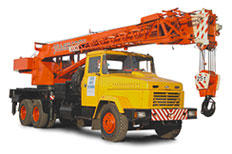
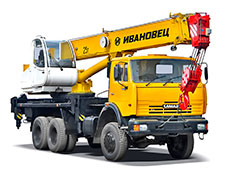
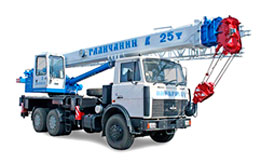
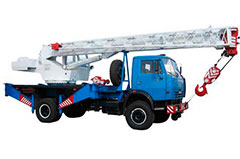
When it comes to construction, heavy lifting, or industrial projects, having the right crane makes a huge difference to productivity and safety. Among the different types of cranes, mobile cranes are favored for their versatility and mobility. But a question often arises: should you buy or rent a mobile crane? Both options come with their advantages and drawbacks, and making the right choice depends on many factors including project duration, budget, maintenance capacity, and future needs. In this article, we’ll explore the pros and cons of buying vs. renting a mobile crane, helping you make an informed decision that fits your specific situation.
Understanding Mobile Cranes: What Are They?
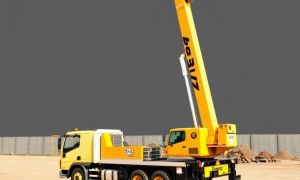
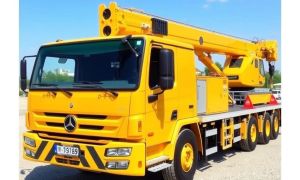
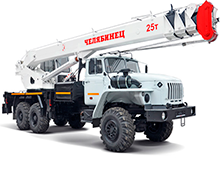
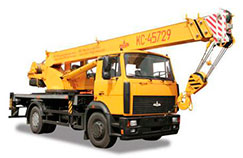
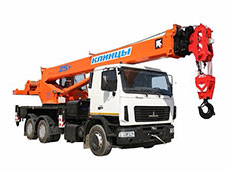
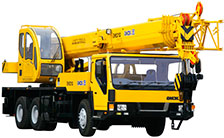
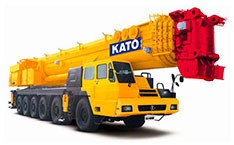
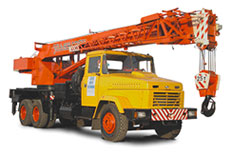
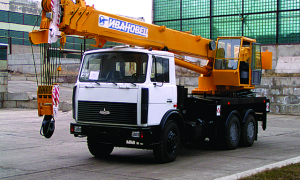
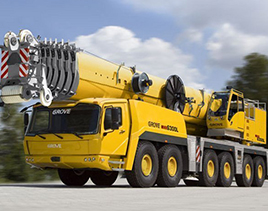
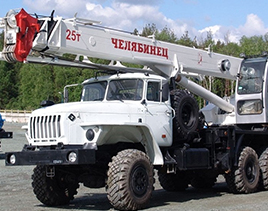
A mobile crane is a versatile lifting machine mounted on wheels or tracks, capable of traveling between jobsites. Unlike tower cranes, mobile cranes are designed for quick set-up and relocation, making them integral to construction, infrastructure projects, and even emergency operations. Their mobility reduces the need for specialized transport and rigging, which can save time and money.
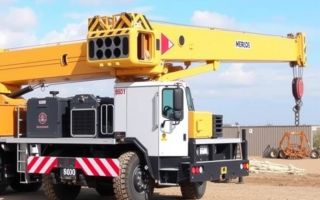
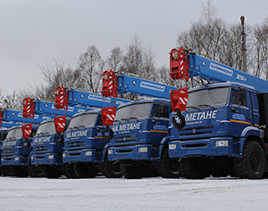
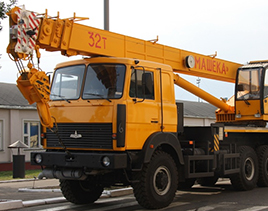
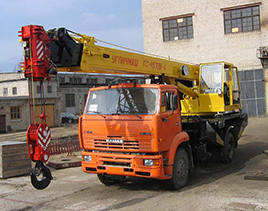
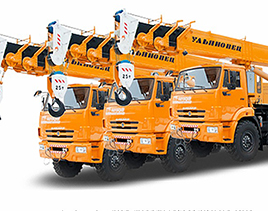
There are several types of mobile cranes including truck-mounted, rough terrain, all-terrain, and crawler cranes. Each type serves different environments and load capacities, but all share the key benefit of mobility. This flexibility makes mobile cranes a popular choice, but the debate between buying vs. renting a mobile crane is common among companies and contractors.
The Case for Buying a Mobile Crane
Owning a mobile crane comes with a sense of control, convenience, and long-term investment potential. Here are some key advantages of buying a mobile crane:
Cost Savings Over Time
While purchasing a mobile crane requires a substantial upfront investment, it can save money in the long run—especially if your company frequently uses it. When projects are ongoing or frequent, rental fees can add up quickly. Over time, ownership can reduce overall expenses as you avoid repetitive rental charges.
Immediate Availability
When you own a mobile crane, it’s always at your disposal. There’s no waiting for rental approval or availability, which can be crucial in tight schedules or emergency situations. This immediate access improves project efficiency and reduces downtime.
Customization and Control
Buying allows you to select a crane that fits your precise needs. You can customize the specifications such as lifting capacity, boom length, and additional attachments. Ownership also gives you total control over maintenance schedules, storage, and usage policies.
Asset Appreciation and Resale Value
Though mobile cranes do depreciate, owning one still adds an asset to your company balance sheet. With proper maintenance, you may recover a significant portion of the initial investment through resale when the equipment becomes outdated or no longer needed.
The Downsides of Buying a Mobile Crane
Of course, buying is not without challenges. Here are some common drawbacks:
High Initial Investment
Purchasing a mobile crane means bearing a large upfront cost which can impact cash flow, especially for smaller companies. Besides the purchase price, there are additional expenses such as taxes, registration, and insurance.
Maintenance and Repair Responsibilities
Ownership means you are responsible for ongoing maintenance, inspections, repairs, and compliance with safety standards. These tasks require dedicated staff time and additional costs, and may lead to unexpected downtime when issues arise.
Storage and Transportation
You must provide space to store the crane safely when not in use. For certain mobile crane types, transportation between distant job sites can still require logistics planning and added costs, posing operational challenges.
The Case for Renting a Mobile Crane
Renting offers more flexibility and lower immediate costs, which often appeals to smaller contractors or companies with intermittent needs. Here’s why renting is attractive:
Lower Capital Outlay
Renting doesn’t require large upfront capital, freeing up funds for other investments. You pay rental fees only for the duration you need the crane, making expenses predictable and manageable.
Access to Latest Equipment
Rental companies often maintain fleets with up-to-date, well-maintained cranes. Renting allows you to use the latest technology without worrying about depreciation or obsolescence, keeping projects efficient and safer.
Reduced Maintenance Burden
When you rent, the equipment provider typically handles maintenance, inspection, and repairs. This relieves you from the headache of managing technical upkeep and ensures the crane is in proper working condition.
Flexibility for Short-Term or Specialized Projects
Renting is especially advantageous for short-term projects or when a specific crane model is required only occasionally. It lets you scale your equipment needs up or down without permanent commitments.
Challenges of Renting a Mobile Crane
Despite these advantages, renting has its own set of limitations:
Higher Costs for Long-Term Use
Rental fees can accumulate quickly for ongoing or year-long projects. Over extended periods, renting may become less cost-effective than buying.
Availability Issues
Rental fleets are shared among customers, so availability may not always align with your schedule. Delayed or unavailable cranes can cause project holdups.
Less Control Over Equipment
You rely on the rental company’s maintenance practices and crane condition. This might create risks for mismatched equipment specifications or unexpected breakdowns.
Operational Restrictions
Rental agreements often include restrictions on usage, mileage, and operating environments, which can limit flexibility. Violating contracts may result in penalties.
Key Factors to Consider When Deciding Between Buying vs Renting a Mobile Crane
Choosing whether to buy or rent depends on various business and project factors. Below is a table summarizing the considerations:
| Factor | Buying a Mobile Crane | Renting a Mobile Crane |
|---|---|---|
| Project Duration | Ideal for long term or frequent projects | Better for short-term or occasional use |
| Capital Availability | Requires high upfront investment | Lower initial capital outlay |
| Maintenance | Owner responsible for upkeep and repairs | Maintenance handled by rental company |
| Equipment Access | Full control over availability and customization | Dependent on rental availability and models offered |
| Depreciation & Asset Management | Asset on balance sheet with resale value | No asset ownership or depreciation concerns |
| Flexibility | Less flexible, long-term commitment | Highly flexible, scale according to project needs |
Additional Considerations: Insurance, Training, and Legal Compliance
Whether buying or renting, don’t overlook the importance of insurance, operator training, and legal compliance.
Reliable insurance is essential to cover damages, accidents, or liability associated with mobile crane operation. Buying a crane means securing coverage yourself, while rental companies may offer insurance options bundled with the rental.
Operator training is equally important. Ensuring that your team is certified and knowledgeable about the specific crane reduces the risk of accidents and promotes efficiency. When renting, verify if the crane comes with any training support or documentation.
Legal and safety regulations vary depending on region and crane type. Owning a crane means keeping up with records, inspections, and permits, while rental firms typically manage these requirements.
Environmental and Technological Trends Affecting Mobile Crane Decisions
The mobile crane industry is evolving with new technologies such as telematics, hybrid power systems, and automation features. Buying a mobile crane may mean a commitment to older technology, while renting allows access to the latest innovations. Environmental regulations pushing for greener construction practices also influence the choice. Rental companies often upgrade their fleets faster to meet emission standards, offering greener options.
Top Tips for Making the Best Choice
Before making your decision, consider the following tips:
- Analyze your project pipeline: If multiple projects requiring different crane specs are lined up, owning may make sense.
- Calculate total cost of ownership vs. rental: Factor in purchase price, maintenance, storage, and downtime.
- Check rental availability in your area: Ensure rental firms have the mobile crane models you need on time.
- Consider future growth: Owning could be an investment toward your company’s expansion.
- Evaluate operational capacity: Make sure you have the trained staff and facilities to maintain a crane.
- Negotiate rental contracts: Look for flexible terms, insurance, and support services.
Summary Table: Buying vs Renting a Mobile Crane
| Aspect | Buying | Renting |
|---|---|---|
| Upfront Cost | High | Low |
| Long-Term Cost | Lower over time if heavily used | Higher if used frequently |
| Equipment Control | Full control and customization | Limited to available fleet |
| Maintenance | Owner’s responsibility | Handled by rental provider |
| Flexibility | Low – long-term commitment | High – pay as you go |
| Access to New Technology | Depends on purchase timing | Usually current, well-maintained cranes |
| Storage Needs | Requires dedicated space | Not needed |
Conclusion
When deciding between buying vs. renting a mobile crane, there’s no one-size-fits-all answer. Buying is generally better suited for companies with frequent, long-term crane needs and sufficient capital to invest in equipment and maintenance. It offers control, potential cost savings over time, and asset ownership. On the other hand, renting shines in flexibility, lower upfront costs, and access to the latest equipment without ongoing maintenance worries, making it ideal for short-term, occasional, or specialized projects. To make the best choice, carefully evaluate your project schedules, financial constraints, operational capacity, and long-term plans. By weighing the pros and cons and understanding your unique requirements, you can find the option that boosts your project efficiency while staying within budget and safety standards.




 Loading ...