Lifting and moving heavy loads is something many of us encounter daily, whether at work, home, or even during hobbies. Despite the common nature of this task, it presents significant risks if done improperly, leading to injuries ranging from minor strains to serious back problems. Understanding how to lift and move heavy loads safely is essential for protecting your body and maintaining long-term health. This comprehensive article will guide you through proven techniques, safety tips, and ergonomic practices, ensuring you handle heavy items confidently and without harm.
Why Is It Important to Lift Heavy Loads Safely?

Many people underestimate the risks associated with lifting heavy objects. When done incorrectly, the strain on your muscles, ligaments, and spine can cause immediate pain or contribute to chronic issues over time. Back injuries, in particular, are among the most common workplace injuries worldwide, often related to improper lifting methods. By practicing safe lifting techniques, you reduce the risk of acute injuries like muscle tears and chronic conditions such as herniated discs and sciatica. Additionally, safe handling improves overall efficiency, reducing fatigue and making heavy tasks easier.
The Common Injuries Caused by Improper Lifting
It’s helpful to know what kind of injuries can result from unsafe lifting to fully appreciate the importance of proper technique. These include:
- Muscle strains and sprains: Overstretching or tearing muscles or ligaments, especially in the lower back.
- Herniated discs: When the discs in your spine are compressed, causing pain and numbness.
- Joint injuries: Strained knees, shoulders, and wrists from awkward lifting angles.
- Back pain: Acute or chronic pain that can limit mobility and quality of life.
Understanding these risks is the first step toward safer practices.
Essential Preparations Before Lifting Heavy Loads
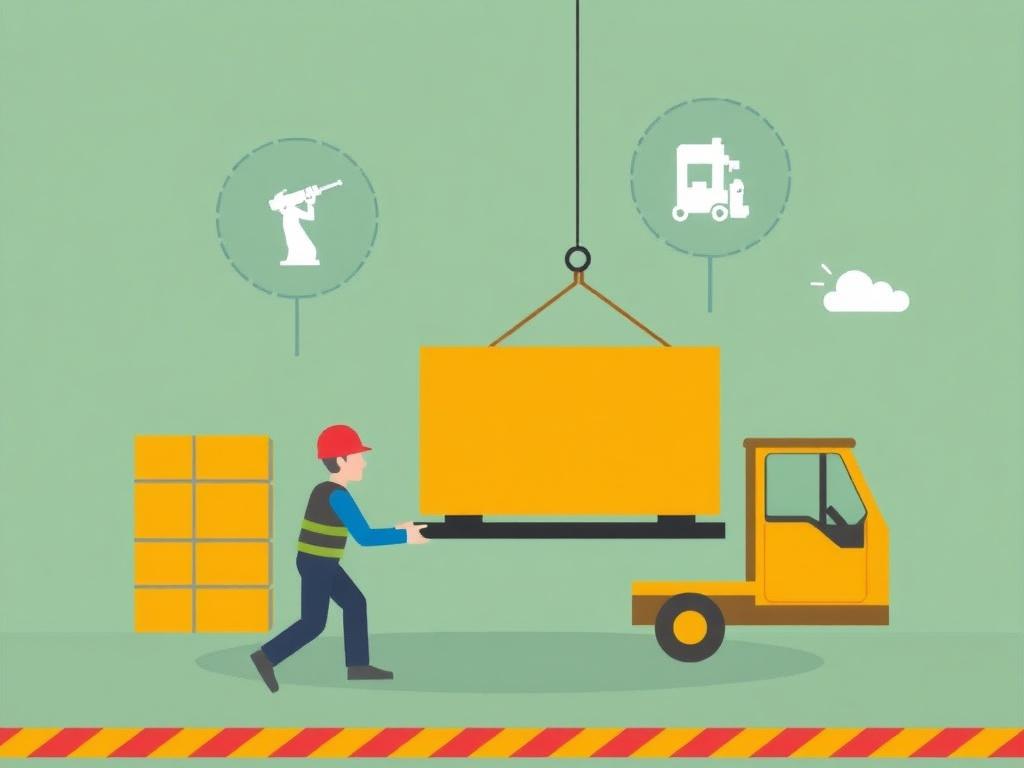
Preparation is critical when it comes to moving heavy objects. Jumping in without the right mindset, tools, or plan often leads to injury. Before you start lifting, take the following preparatory steps:
1. Assess the Load
Not all heavy loads are created equal. Take time to evaluate the weight, shape, and size of the item. Ask yourself: Is this something I can lift alone? Does it have handles or grips? Is it awkward or bulky?
If the load is too heavy or cumbersome, seek assistance or consider using mechanical aids like dollies or forklifts.
2. Plan the Route
Clear your path before moving the object. Remove obstacles, clear floors of debris, and ensure there is enough space for maneuvering. Think about where the load will be placed and the safest, most efficient way to get there.
3. Wear Proper Clothing and Gear
Comfortable clothing that doesn’t restrict movement is vital. Sturdy footwear with good traction helps prevent slips and falls. Additionally, consider wearing safety gloves for grip and back support belts if required.
Step-by-Step Guide to Lifting Heavy Loads Safely
Knowing the theory is helpful, but knowing the exact steps to safely lift heavy objects is crucial. Here’s a clear, reliable method to follow:
Step 1: Position Your Feet Correctly
Begin by standing close to the object with your feet shoulder-width apart. One foot should be slightly ahead of the other to provide balance. This stance gives you a stable base and reduces the amount of force your body will need.
Step 2: Bend Your Knees, Not Your Back
Avoid bending at the waist. Instead, squat down by bending your knees and hips, keeping your back straight and chest up. This position allows your powerful leg muscles to do the heavy lifting rather than putting pressure on your back.
Step 3: Get a Secure Grip
Firmly grasp the object with both hands, making sure your grip is secure. If the load has handles, use them. If not, try to grip the object in a way that feels balanced and stable.
Step 4: Keep the Load Close
Hold the load close to your body, ideally just below chest level. Keeping the weight near your center of gravity reduces the strain on your spine and arms.
Step 5: Lift Smoothly
Use your leg muscles to straighten up slowly while maintaining your straight back. Avoid jerky or sudden movements. Smooth lifting reduces strain on muscles and joints.
Step 6: Avoid Twisting
When moving the load, turn your whole body by pivoting your feet instead of twisting your torso. Twisting while lifting increases the risk of injury.
Step 7: Set Down Carefully
When you reach your destination, reverse the lifting steps. Bend your knees and hips while keeping your back straight, and carefully set down the load.
Mechanical Aids and Equipment for Moving Heavy Loads
While proper lifting technique is paramount, sometimes the load is just too heavy or bulky to manage manually. This is when equipment and aids come into play. Using the right tools can drastically reduce injury risk.
Common Mechanical Aids
Here is a table outlining common tools to help move heavy loads safely:
| Equipment | Purpose | Best Usage Scenario |
|---|---|---|
| Dolly (Hand Truck) | Transporting heavy boxes or appliances | Moving loads over flat surfaces, such as warehouses or homes |
| Forklift | Lifting and moving very heavy or bulky items | Industrial or warehouse environments with trained operators |
| Lift Table | Raising or lowering heavy items to avoid bending | Workshops or manufacturing settings |
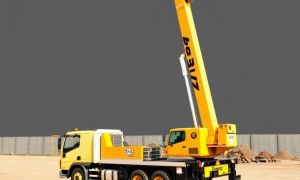
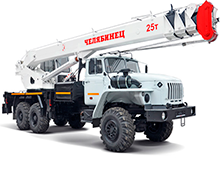
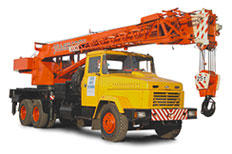
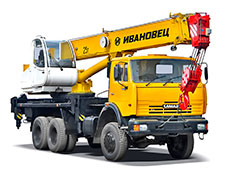
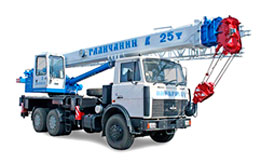
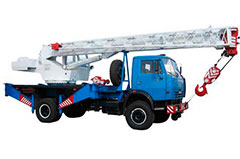
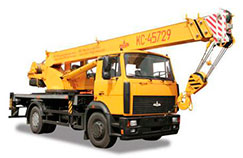
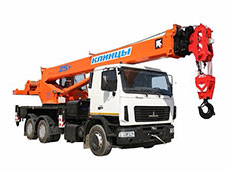
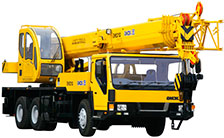
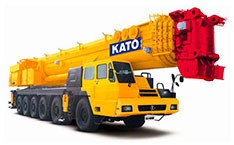
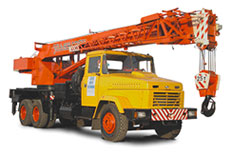
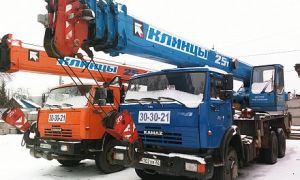
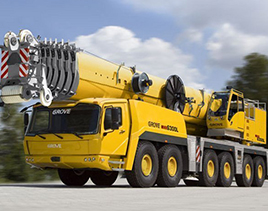
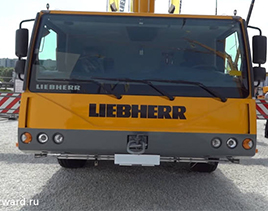
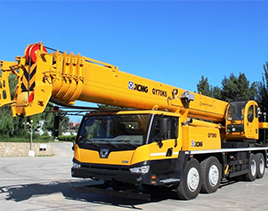
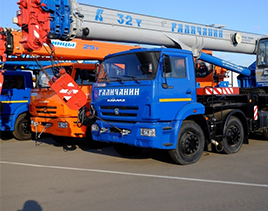
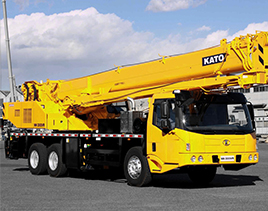
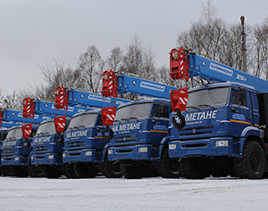
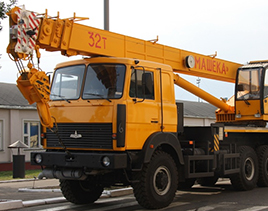
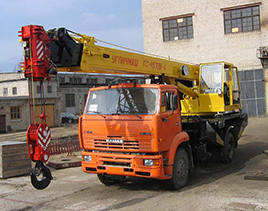
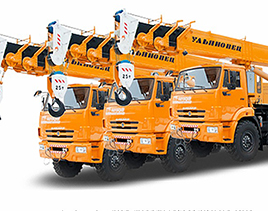
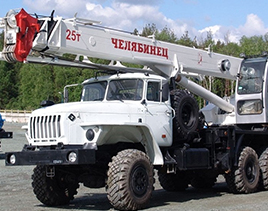
| Hoist and Crane | Lifting heavy objects vertically and moving them laterally | Construction sites or large factories |
| Straps and Slings | Securing heavy loads for lifting or transport | Assisting manual lifting or use with cranes and forklifts |
When to Use Mechanical Aids
If you feel any hesitation about your ability to lift an object safely or the load feels unusually heavy, don’t hesitate to use mechanical aids. They are designed to minimize human strain and improve safety.
Ergonomic Tips and Practices for Heavy Lifting
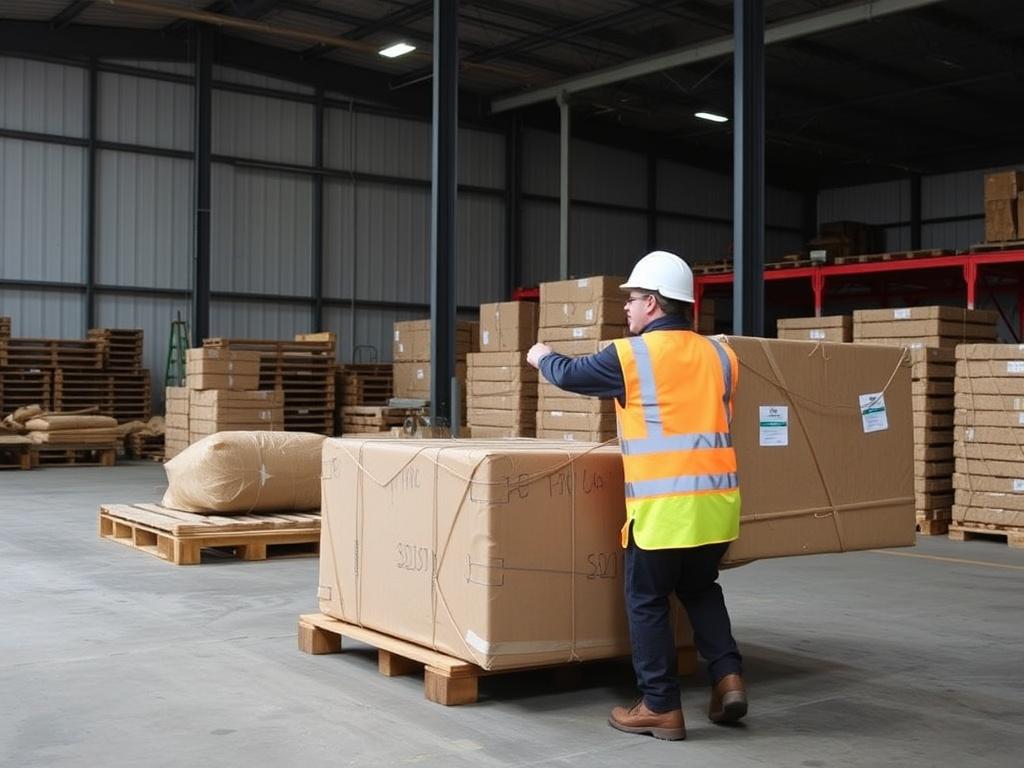
Ergonomics is the science of designing tasks to match human capabilities, reducing injury risks. Applying ergonomic principles to lifting heavy loads includes the following tips:
- Strengthen Your Core: Regular exercises that build your core muscles provide better spinal support.
- Use Team Lifting When Possible: For very heavy or awkward objects, get help from coworkers or friends.
- Take Breaks: Avoid repetitive heavy lifting without breaks to reduce muscle fatigue.
- Listen to Your Body: Stop immediately if you experience pain or unusual strain.
- Maintain Good Posture: Always keep your back straight, shoulders back, and avoid slouching.
Safety Precautions to Keep in Mind
Alongside proper techniques and tools, general safety practices play a huge role in avoiding injury:
- Do not rush. Planning and pacing are crucial.
- Stay hydrated and well-nourished to keep energy levels up.
- Ensure the environment is well-lit and free from hazards.
- Wear appropriate personal protective equipment if needed, like steel-toed boots or gloves.
- Report and address unsafe conditions or broken equipment immediately.
What to Do If You Feel Pain After Lifting
Sometimes, despite precautions, minor aches can occur. If this happens:
- Rest the affected area and avoid further heavy lifting.
- Apply ice or heat to reduce inflammation.
- If pain persists or worsens, seek medical advice immediately.
Prompt attention can prevent minor strains from becoming chronic injuries.
Training and Workplace Safety Programs
For those who regularly lift heavy loads as part of their job, formal training on proper techniques is often provided, and for good reason. Safety training programs include:
- Hands-on practice with lifting and moving techniques
- Education on body mechanics and injury prevention
- Guidance on using mechanical aids and personal protective equipment
- Monitoring and feedback on lifting habits
Employers and employees share responsibility for maintaining a safe working environment. Investing in training reduces injury rates and boosts productivity.
A Quick Reference Guide: Dos and Don’ts of Lifting Heavy Loads
To keep the most important points top of mind, here is a simple list of dos and don’ts:
| Dos | Don’ts |
|---|---|
| Do bend your knees, not your back. | Don’t lift with a rounded back. |
| Do keep the load close to your body. | Don’t twist your torso while holding a load. |
| Do use mechanical aids when necessary. | Don’t attempt lifts that feel too heavy alone. |
| Do maintain good footing with balanced stance. | Don’t rush or use jerky movements. |
| Do communicate and get help if carrying loads with others. | Don’t ignore pain or discomfort during lifting. |
Conclusion
Lifting and moving heavy loads safely is a vital skill that protects your body, maintains your overall health, and enhances efficiency in numerous tasks. By understanding the risks, preparing properly, using the right techniques, and employing mechanical aids when needed, you can minimize the chance of injury dramatically. Remember that your body is a valuable asset—treat it with care by avoiding rushed or careless lifting and embracing ergonomic practices. Whether you’re moving furniture at home, carrying boxes at work, or handling materials in an industrial setting, a mindful and methodical approach to lifting will serve you well, keeping you safe today and strong for tomorrow.












 Loading ...