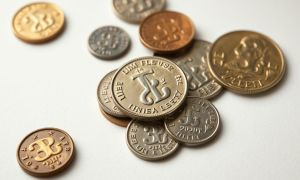

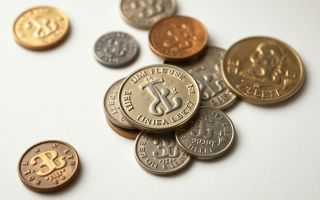
Old coins have a way of appearing at kitchen-table estates and in dusty drawers, offering a little puzzle: plain metal one moment, possible treasure the next. If you’ve pulled a handful of best free coin identifier app from a jar and wondered whether they’re worth more than their face value, this guide will walk you through the process—clearly, practically, and without hype. You’ll learn how to identify, research, and protect your finds, when to seek professional help, and how to avoid the most common mistakes collectors and sellers make.
We’ll cover the tools you need, how to grade condition, where to look for comparable sales, what makes some coins valuable, and how to handle sales safely. Read through the steps and use the checklists and tables to keep things organized. By the end you should feel comfortable deciding whether a coin deserves professional grading, or whether it’s best left in a collection or sold through a reputable channel.
Why Some Old Coins Are Worth More Than Face Value
Not every old coin is rare or valuable. Value comes from a mix of factors: how many were minted, how many survived in good condition, whether the coin contains precious metal, and whether it has unusual features—errors, unique varieties, or historical associations. A common silver coin in poor condition might be worth only its melt value, while a scarce specimen in high grade can command collector prices far above metal content.
Understanding these drivers helps you prioritize which coins to research further. Start by separating coins that clearly have intrinsic metal value (gold, silver) from base-metal pieces, then look for dates, mint marks, and obvious errors or unusual wear patterns that might point to something special.
First Steps: Identify Your Coin
Identification is about basic facts: country, denomination, date, and mint mark. These details narrow down what a coin is and where to look for its value. Even subtle things matter—small variations in a date or the presence of a tiny letter can vastly change worth.
Handle coins carefully by the edges and use a clean, soft surface. Avoid touching the faces if possible; oils from your skin can damage surfaces that are part of a coin’s grade.
Reading Mint Marks and Dates
Mint marks—small letters indicating where a coin was struck—are often near the date or in a field. On U.S. coins, D means Denver, S means San Francisco, and P usually stands for Philadelphia (though not always shown). Other countries have their own mint letters or symbols. Some coins have repunched or doubled mint marks; those are varieties collectors like.
Wear can obscure dates. Use a loupe or magnifier to check for faint digits. Sometimes gently angling the coin under raking light reveals a partially visible date without cleaning.
Identifying Metal and Composition
Knowing metal content affects whether you care about melt value. Silver and gold coins will often be clearly stamped (e.g., “.900 Fine”) on older U.S. coins, but not always. When in doubt, weigh the coin and measure diameter with calipers and compare to a trusted reference. That helps tell whether it’s the expected metal for that type and date.
Precious-metal coins from foreign countries can look similar to base-metal tokens; a scale and reference book will save you guessing.
Tools You’ll Need
You don’t need a lab to start. A few inexpensive, reliable tools let you identify and document coins properly. Invest in decent ones; they’ll pay for themselves by preventing misreads and poor decisions.
| Tool | Purpose | Typical Cost |
|---|---|---|
| 10x Loupe | Inspect details, mint marks, die errors, and wear | $10–$25 |
| Digital Scale (0.01 g) | Verify weight for metal identification and authenticity checks | $20–$60 |
| Calipers | Measure diameter and thickness | $10–$40 |
| Neutral Background Tray & Soft Gloves | Safe handling and clear photography | $10–$30 |
| Reference Books / Subscriptions | Price guides, catalogs, and online auction archives | $20–$100+ |
Two free or low-cost resources—online price guides from major grading companies and marketplaces—are essential complements to physical tools.
Grading and Condition: The Critical Factor
Condition drives value in most cases. The Sheldon scale, widely used in the U.S., runs from 1 (Poor) to 70 (Perfect Mint State). Small differences in high grades produce big price swings. A coin with sharp details and no wear (MS60–MS70) can be orders of magnitude more valuable than the same coin with light wear (VF20–EF45).
When grading, look at the highest points for wear, check for hairlines, scratches, or cleaning marks, and evaluate luster and strike quality. If you’re not comfortable grading, consider getting a second opinion—either from an experienced dealer or by submitting the coin to a third-party grading service.
| Grade | Short Description |
|---|---|
| Good–Very Good (G–VG) | Heavy wear, major details visible but soft |
| Fine–Very Fine (F–VF) | Moderate wear, most details clear |
| Extremely Fine (EF/XF) | Light wear, high points slightly worn |
| About Uncirculated–Mint State (AU–MS) | Little to no wear, original luster |
Research: Finding Comparable Sales
Once you have identification and a tentative grade, look for comparable sales. Auction archives and sold listings tell you what buyers have actually paid, which matters more than catalog “list” prices. Popular sources include:
- PCGS and NGC price guides and auction records
- Heritage Auctions and Stack’s Bowers archives
- CoinArchives and Numismatic Guaranty Corporation (NGC) paid databases
- eBay “Sold” listings (filter for completed sales and watch for buy-it-now vs auction)
- Standard reference books like the Red Book for U.S. coinage
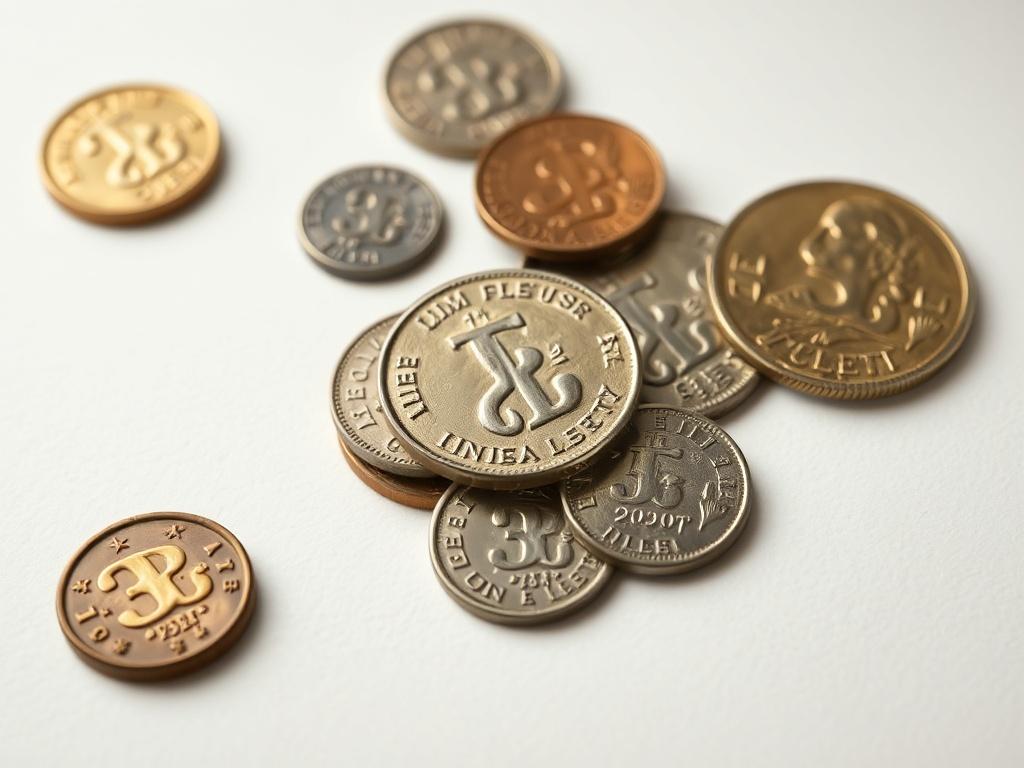
Compare coins that match in date, mint mark, and grade. Note that a certified (slabbed) coin will usually fetch more than raw examples because buyers trust the grade and authenticity.
When Precious Metal Matters: Melt Value vs Collector Value
For coins containing silver or gold, melt value is the worth of the metal if the coin were melted down. Check the current spot price of the metal and calculate based on the coin’s weight and purity. Many common older coins fall into melt-driven value—especially worn or common dates—so their market price closely follows metal prices.
Collector value can exceed melt value when the coin is scarce or desirable. Always compare both: if the collector market price is below melt, the metal is the floor; if it’s higher, the coin’s numismatic attributes carry the premium.
Error Coins and Varieties
Errors and varieties—struck off-center, double-die, clipped planchet, wrong-metal strikes—can be lucrative. But not all errors are equal. Minor planchet flaws that occurred in vast numbers carry less interest than dramatic, documented mint errors or scarce die varieties.
When you find a possible error, document it well with photos from multiple angles and consult specialist resources or forums. Error-collecting communities and auction houses can help determine whether a piece is a genuine rarity or a common mishap.
Authentication and Professional Grading
If a coin appears valuable, consider third-party grading (PCGS, NGC, ANACS, etc.). Benefits include authentication, a widely accepted grade, and marketability in slab form. Downsides: grading fees, turnaround time, and the risk of a grade that doesn’t match expectations. For very rare or high-value coins, professional grading is usually worth the cost.
Before submitting, photograph the coin, get a conservative pre-valuation from dealers or auction houses, and choose a service with strong resale recognition for your coin type.
Photographing and Documenting Your Coins
Good photos help with online research and with selling. Use a neutral background, steady lighting (avoid harsh reflections), and include a scale object (ruler or coin holder). Take shots of both faces, the edge if important, and any marks or damage. Label files with date, denomination, mint mark, and tentative grade.
Keep a simple inventory: photograph, note weight, diameter, metal, and any provenance. This saves time when you sell or insure pieces later.
Selling: Options and What to Expect
You can sell to dealers, at auction, or online. Dealers offer convenience and speed but typically pay the lowest prices. Auctions and specialist sales reach collectors and often produce higher prices but include fees and require patience. Online marketplaces can be profitable for common and collectible coins if you manage listings, photos, shipping, and buyer communication.
Ask for multiple offers when possible, keep records of appraisals, and be transparent about condition and any cleaning or repairs. If you’re selling at auction, choose an auction house familiar with your coin’s market niche.
Avoiding Pitfalls: Cleaning, Scams, and Overgrading
Never clean a coin to try to improve its appearance. Scrubbing, chemical dips, and even mild polishing remove original surfaces and destroy value. Collectors prize original patina and untouched surfaces; a cleaned coin often sells for less than an identical, uncleaned counterpart.
Watch for common scams: altered dates, re-engraved mintmarks, composite pieces, and counterfeit slabs. Verify with multiple sources and don’t rush into sales that feel pressure-driven.
Keeping and Insuring Valuable Coins
Store valuable coins in inert holders (mylar flips, hard plastic slabs) in a low-humidity, temperature-stable place. For high-value items, a safe deposit box or home safe is advisable. Photograph and appraise pieces for insurance; many homeowner policies limit collectibles coverage unless scheduled separately.
Maintaining records of provenance, purchases, and prior appraisals helps with resale and insurance claims. When transporting coins, use discreet, secure packaging and insured shipping methods for sales.
Quick Checklist Before You Sell or Appraise
- Identify date, denomination, and mint mark.
- Weigh and measure to confirm type/composition.
- Photograph both sides and any notable features.
- Research comparable sales from reputable sources.
- Decide whether to seek professional grading.
- Get multiple offers or consult auction houses for rare pieces.
- Do not clean the coin or attempt amateur repairs.
Conclusion
Checking the value of old coins is part detective work, part careful comparison, and part patience. Start with clear identification, use basic tools to confirm metal and size, grade conservatively, and rely on recorded sales from trusted sources to gauge market value. Avoid cleaning, document everything, and consider professional grading when a coin’s potential justifies the cost. With a little method and a few reliable references, you can separate common pocket change from pieces worth preserving or selling—and do it with confidence.













 Loading ...