

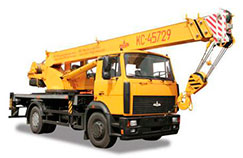
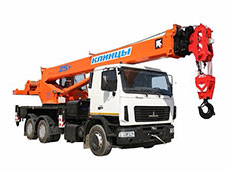
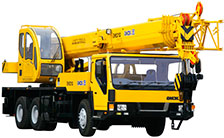

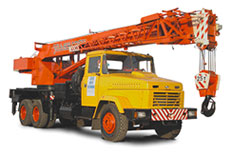
Maintaining a mobile crane is not just about keeping it running; it’s about ensuring safety, efficiency, and extending the life of your investment. Whether you’re a seasoned operator or just starting in the heavy equipment industry, understanding how to perform routine maintenance on a mobile crane is essential. In this article, we’ll explore all the necessary steps, tools, and techniques that guarantee your mobile crane stays in top condition.
Mobile cranes are complex machines that combine the mechanics of both mobile transportation and heavy lifting. Regular maintenance prevents unscheduled downtime, minimizes repair costs, and most importantly, ensures the safety of everyone operating or working near the crane. Performing routine maintenance on a mobile crane involves a combination of daily checks, periodic inspections, and scheduled servicing tailored to the crane’s specific model and usage frequency.
Understanding Mobile Crane Components
Before diving into the routine maintenance process, it’s crucial to familiarize yourself with the key components of a mobile crane. This knowledge not only helps in identifying potential issues early but also ensures that each part receives the appropriate care.
Main Components of a Mobile Crane
| Component | Function | Maintenance Concerns |
|---|---|---|
| Boom | Extends to lift and move loads | Inspect for cracks, wear, hydraulic leaks |
| Hydraulic System | Powers lifting, telescoping, and other movements | Check fluid levels, hoses, and filters |
| Outriggers | Provide stability during lifting operations | Lubricate, inspect for damage or wear |
| Hook and Block | Attach loads and provide lifting connection | Check for deformation, cracks, and proper operation |
| Engine and Transmission | Power source for crane movement and operation | Change oil, inspect filters, check fluid levels |
| Wire Rope | Supports loads and boom extension | Inspect for fraying, corrosion, and proper lubrication |
Familiarizing yourself with these parts lays the groundwork for efficient and comprehensive routine maintenance on a mobile crane.
Daily Maintenance Routine for Mobile Cranes
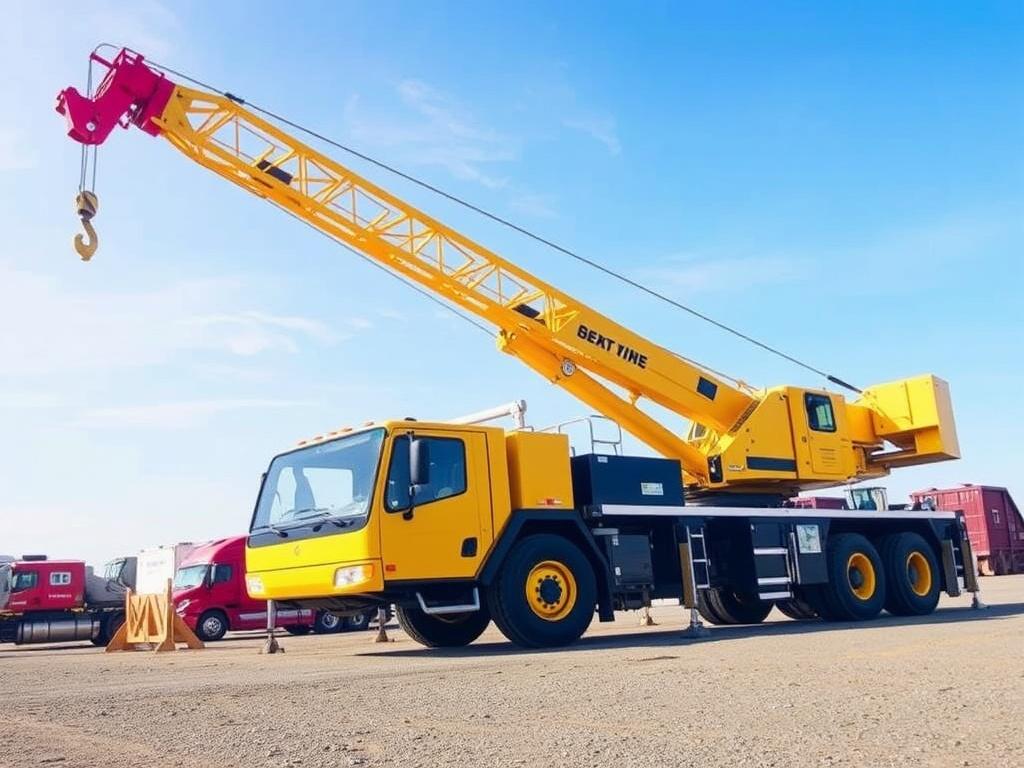
Daily checks are your first line of defense in identifying problems before they escalate. They generally take no more than 15 to 30 minutes but save hours and dollars in the long run.
Step 1: Visual Inspection
Start your maintenance by walking around the crane. Look for obvious signs of damage or wear like cracks in the boom, leaks, or loose bolts. Don’t forget to check the tires or tracks for wear and proper inflation since the crane’s mobility is just as important as its lifting ability.
Step 2: Check Fluid Levels
Hydraulic fluid, engine oil, coolant, and transmission fluid should be checked every day. Low fluid levels can cause a cascade of mechanical failures, so topping off or replacing fluids as needed is crucial.
Step 3: Test Operational Functions
Power up the crane and test all controls and safety devices, including limit switches, horns, and emergency stops. Operate the boom, rotate, and extend functions at low speeds to ensure smooth movement without unusual noises or jerks.
Step 4: Inspect Wire Ropes and Hooks
The wire rope and hooks endure the most stress and are susceptible to wear. Look for broken strands, kinks, rust, or any deformation. Replace or repair immediately if you observe any defect.
Periodic Maintenance and Detailed Inspections
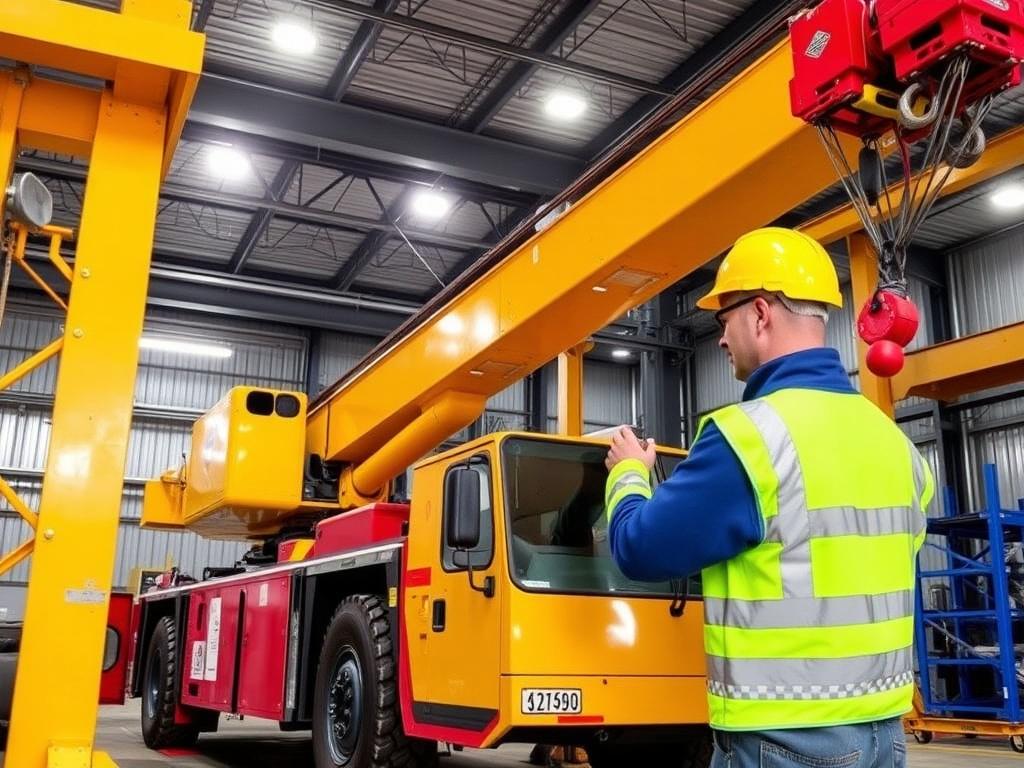
Beyond daily maintenance, periodic inspections and servicing are crucial to the longevity of your mobile crane. These checks are typically performed weekly, monthly, or quarterly depending on usage and manufacturer guidelines.
Weekly Maintenance Tasks
- Clean the crane exterior and boom to prevent rust buildup.
- Check and lubricate all pivot points, slewing ring bearings, and hydraulic cylinders.
- Inspect the outriggers thoroughly, ensuring hydraulic systems are leak-free and lock pins engage properly.
- Test electrical systems, including lighting and indicators.
Monthly Maintenance Tasks
- Fuel system check for leaks or blockages.
- Inspect engine belts and hoses for cracks or wear.
- Greasing the entire boom assembly.
- Check brake systems and parking brakes for proper operation.
Quarterly or Annual Maintenance
This is a detailed inspection and overhaul that often requires professional service but can be managed on-site depending on expertise.
- Full hydraulic system flush and replacement of filters.
- Non-destructive testing (NDT) of boom metal for internal cracks or fatigue.
- Calibration of load moment indicators and safety devices.
- Engine tune-up, including spark plugs, fuel injectors, and air filters.
- Detailed inspection and replacement of wire ropes if worn beyond limits.
Essential Tools and Supplies for Mobile Crane Maintenance
Just like any mechanical task, performing routine maintenance on a mobile crane requires specific tools and supplies. Having these at hand can help streamline your process and improve efficiency.
| Tool/Supply | Purpose | Maintenance Task |
|---|---|---|
| Hydraulic Fluid | Replenishing hydraulic system | Fluid level check and top-up |
| Grease Gun | Lubricating joints and bearings | Lubrication of pivot points |
| Inspection Mirror | Accessing hard-to-see places | Visual inspection of hidden parts |
| Torque Wrench | Ensuring bolts are tightened to specs | Tightening bolts and nuts |
| Wire Rope Lubricant | Protecting wire ropes from corrosion | Lubrication of wire ropes |
| Replacement Parts | Fixing worn or broken components | Hook, wire rope, hydraulic hoses |
| Cleaning Equipment | Removing dirt and debris | Exterior and boom maintenance |
Keeping these tools organized and accessible makes performing routine maintenance on a mobile crane faster and more effective.
Safety Considerations During Mobile Crane Maintenance
Safety should always be your top priority when performing routine maintenance on a mobile crane. These machines can be dangerous if handled improperly, especially when components are under pressure or the crane is partially disassembled.
Before You Start: Safety Checklist
- Ensure the crane is parked on a stable surface and fully down on its outriggers or suspension system.
- Turn off the engine and disconnect the power supply if possible.
- Wear appropriate personal protective equipment (PPE) such as gloves, safety glasses, and steel-toe boots.
- Use lockout/tagout procedures to prevent accidental startup.
- Follow manufacturers’ service manuals and recommended maintenance schedules.
- Be cautious when inspecting or lubricating moving parts; ensure no one operates the crane at that time.
Handling Hazardous Materials
When dealing with fluids such as hydraulic oil or engine coolant, it’s important to dispose of waste materials responsibly. Spilled fluids can be harmful to the environment and health, so always store and dispose of them according to regulations.
Record Keeping and Maintenance Logs
One of the most overlooked aspects of performing routine maintenance on a mobile crane is keeping detailed records. Good maintenance logs allow you to track work performed, identify recurring issues, and comply with regulatory inspections.
What to Include in a Maintenance Log
- Date of maintenance and inspection
- Details of tasks performed
- Parts replaced or repaired
- Observations or notes on wear and performance
- Operator or mechanic performing the work
Benefits of Keeping Accurate Records
| Benefit | Details |
|---|---|
| Improved Safety | Ensures defects are caught early before causing accidents |
| Regulatory Compliance | Provides proof of regular maintenance during audits |
| Cost Efficiency | Helps predict and prevent costly breakdowns |
| Better Resale Value | Documented history increases buyer confidence |
Common Challenges and How to Overcome Them
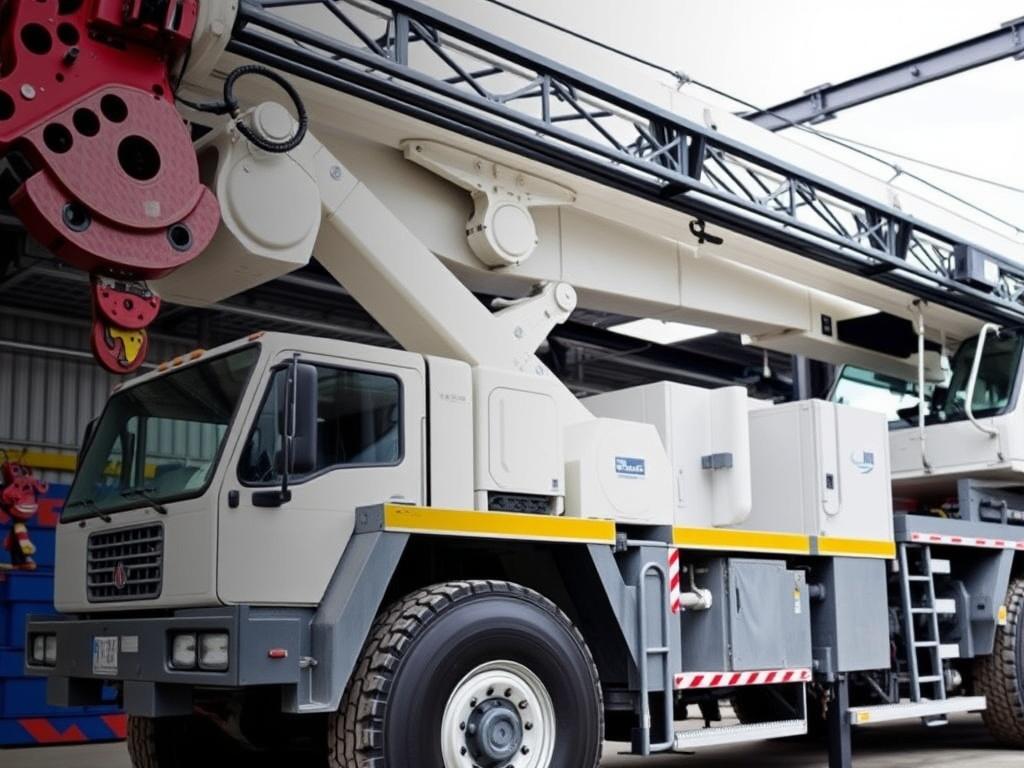
Even with a good maintenance plan, you might encounter obstacles while caring for your mobile crane. Understanding these challenges can help you prepare and respond effectively.
Challenge 1: Accessing Hard-to-Reach Parts
Mobile cranes often have tight spaces where visual and physical access is difficult. Using inspection mirrors, portable lights, or even small cameras can help inspect concealed areas without dismantling large components.
Challenge 2: Timing Regular Maintenance with Operation Schedules
Mobile cranes are often in high demand on job sites, making it challenging to schedule maintenance. Plan routine maintenance during low-activity periods and communicate with operators to minimize downtime.
Challenge 3: Identifying Subtle Wear Signs
Many problems begin with minor symptoms that might be easy to overlook. Comprehensive training on what to look for and using diagnostic tools like vibration analyzers or infrared thermometers can detect issues before they become serious.
Challenge 4: Managing Replacement Parts Availability
Delays in obtaining genuine replacement parts can stall repairs. Maintain an inventory of commonly replaced components such as hooks, wire ropes, and filters, or work closely with suppliers to establish quick delivery agreements.
Tips from Experienced Crane Operators and Mechanics
Consistency Is Key
Successful maintenance on a mobile crane hinges on being consistent. Skipping routine steps or delaying fluid checks can allow small problems to become expensive repairs.
Listen to the Machine
Operators often develop a feel for their crane’s normal functioning. Paying attention to unusual noises, sluggish movements, or vibrations can alert you to underlying issues.
Keep Learning
Mobile crane technology evolves, with newer models featuring advanced electronics and safety systems. Keep up-to-date with training, workshops, and manuals to maintain your knowledge.
Build a Strong Maintenance Team
No one person can handle all aspects of mobile crane servicing alone. Work together with skilled mechanics, operators, and safety officers to create a maintenance program that works.
Summary Checklist for Routine Mobile Crane Maintenance
| Maintenance Task | Frequency | Key Points |
|---|---|---|
| Visual inspection of boom, outriggers, and tires | Daily | Look for cracks, leaks, and wear |
| Check all fluid levels | Daily | Hydraulic oil, engine oil, coolant |
| Operate controls to test functions | Daily | Check for smooth movement and safety device operations |
| Lubricate pivot points and bearings | Weekly | Use recommended grease and avoid over-lubricating |
| Inspect wire ropes and hooks | Weekly | Check for frays, corrosion, deformation |
| Clean crane exterior and boom | Weekly | Remove dirt and prevent rust |
| Brake and engine inspection | Monthly | Look for wear and replace as needed |
| Hydraulic system flush and parts overhaul | Quarterly or annually | Per manufacturer’s schedule, preferably by professionals |
Conclusion
Performing routine maintenance on a mobile crane is a vital responsibility that ensures safe operations, reduces costly repairs, and prolongs the lifespan of the equipment. By understanding your crane’s components, following daily and periodic maintenance steps, using the right tools, and maintaining detailed records, you build a reliable and safe mobile crane operation. Remember, consistency and attention to detail are your best allies in preventing failures and enhancing efficiency. Whether you are an operator, mechanic, or fleet manager, embracing a comprehensive maintenance routine will empower you to get the most out of your mobile crane every day it’s on the job.




















 Loading ...