




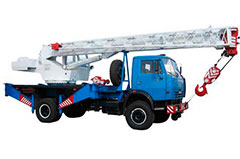





Setting up a mobile crane on a construction site or any other work area is no trivial task. It involves meticulous planning, a thorough understanding of the crane’s mechanics, and a commitment to safety at every step. Whether you are a crane operator, site manager, or part of the crew assisting in the process, knowing how to properly set up a mobile crane on site can make the difference between a smooth operation and potential hazards. In this comprehensive guide, we will walk you through everything you need to know about setting up your crane correctly, from initial site inspection to final checks.
Setting up a mobile crane on site is about more than just parking the machine and starting work. The terrain, weather conditions, load specifications, and crane configuration all influence how the setup should be carried out. It’s crucial to plan ahead and communicate clearly with your team. Are you wondering where to start, what equipment you’ll need, and how to ensure the crane is stable and safe? Let’s dive right in.
Understanding the Basics: What Is a Mobile Crane?
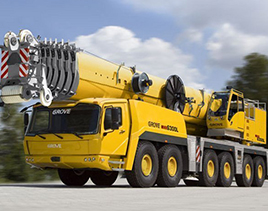
Before we get into the setup process, it’s important to have a clear understanding of what a mobile crane is and how it functions. A mobile crane is a versatile, wheeled lifting device designed to move around a site and lift heavy loads. Unlike tower cranes which are fixed to one position, mobile cranes offer rapid deployment and flexibility, making them indispensable in many industries.
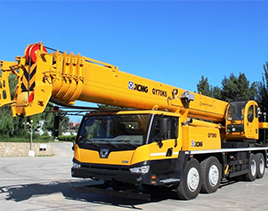
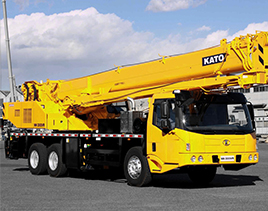
Mobile cranes come in various types—truck-mounted, rough terrain, all-terrain, and crawler cranes—each suited for specific environments and tasks. Regardless of the type, the fundamentals of proper setup apply to all, with slight adjustments based on the model.
Step 1: Pre-Planning and Site Inspection
The first step in setting up a mobile crane on site is pre-planning. This phase involves understanding the scope of the job, the crane requirements, and the site conditions. Planning ahead dramatically reduces risk and prevents costly delays.
- Review the load charts and determine the crane’s lifting capacity based on the maximum expected load.
- Conduct a thorough site inspection. Look for obstacles such as overhead power lines, uneven ground, and traffic patterns.
- Assess the ground conditions—a stable foundation is critical for crane setup. Soft soil, slopes, or underground utilities can compromise stability.
- Plan the crane’s movement paths and positioning relative to the load and the work area.
- Obtain necessary permits and ensure compliance with local construction and safety regulations.
A well-executed site inspection sets the stage for a safe and efficient setup. Make sure to communicate the findings with your whole team—everyone must be aware of potential hazards.
Step 2: Choosing the Right Location to Set Up the Mobile Crane
Selecting the perfect spot for your crane on site is crucial. The chosen location affects operational efficiency and, more importantly, safety.
- Stability: The ground must be firm and level. Avoid marshy or loose soil that could cause shifting.
- Accessibility: Ensure the crane can be easily transported to the spot and can maneuver freely during the operation.
- Proximity: The crane should be close enough to the lift but clear of obstacles that could interfere.
- Safety Clearances: Keep a safe distance from power lines, structures, and pedestrian areas.
If the ground is not sufficiently stable, ground mats or crane pads may be necessary. These distribute the load and reduce the risk of sinking or tipping.
Step 3: Preparing the Ground and Site
Once the location is chosen, preparing the site is the next key step. This involves making adjustments to the terrain and ensuring the crane can operate without issues.
Ground Preparation Techniques
- Clear debris, rocks, and vegetation.
- Level the ground; if necessary, bring in fill material or excavate to create a flat surface.
- Install crane mats or steel plates when working on soft or uneven ground.
- Mark the crane setup area with cones or barriers to alert other workers and vehicles.
Taking time on ground preparation helps prevent accidents and improves crane stability.
Step 4: Using Outriggers and Stabilizers Properly
One of the essential elements in setting up a mobile crane on site is the proper use of outriggers and stabilizers. These components extend out from the crane’s base to widen the stance and stabilize the crane during lifts.
Key Outrigger Setup Guidelines
- Fully extend outriggers as per the manufacturer’s recommendations.
- Place outrigger pads or mats underneath each outrigger to spread the load.
- Ensure outrigger feet are level and on firm ground.
- Use a spirit level or electronic leveling device to verify the crane’s overall leveling.
- Check for any signs of ground movement or sinking after setup.
Failing to set up outriggers correctly is one of the leading causes of crane accidents, so double-check this part of the process.
Step 5: Assembling and Configuring the Crane
Each mobile crane requires proper assembly and configuration before beginning operations. This includes setting the boom length, jib attachment, counterweights, and ensuring all control systems are functional.
Setting the Boom and Jib
- Extend the boom to the desired length for the job, but stay within safe operating limits.
- Attach any necessary jib sections securely, following the manual.
- Check the boom angle and radius matches the planned lift path.
Counterweight Installation
Counterweights balance the crane during lifting and prevent tipping.
- Use correct counterweight amounts as specified in the manufacturer’s charts.
- Position counterweights securely and confirm they’re locked in place.
Inspecting Controls and Safety Systems
- Perform a control system test to make sure all levers and buttons work smoothly.
- Test emergency stop functions and alarms.
- Inspect cables, hooks, and safety latches for wear or damage.
Step 6: Performing a Load Test and Final Safety Checks
Before any heavy lifting, a load test ensures the crane can handle the designated weight securely and safely.
- Use a test weight or certified load as per guidelines.
- Lift the load slowly and observe the crane’s behavior—watch for tilting, unusual noises, or hydraulic issues.
- Validate that all alarms, limit switches, and indicators operate correctly during the test.
In addition, conduct a walk-around inspection to confirm that everything—from outriggers to boom attachments—is properly set up.
Important Safety Tips During Setup
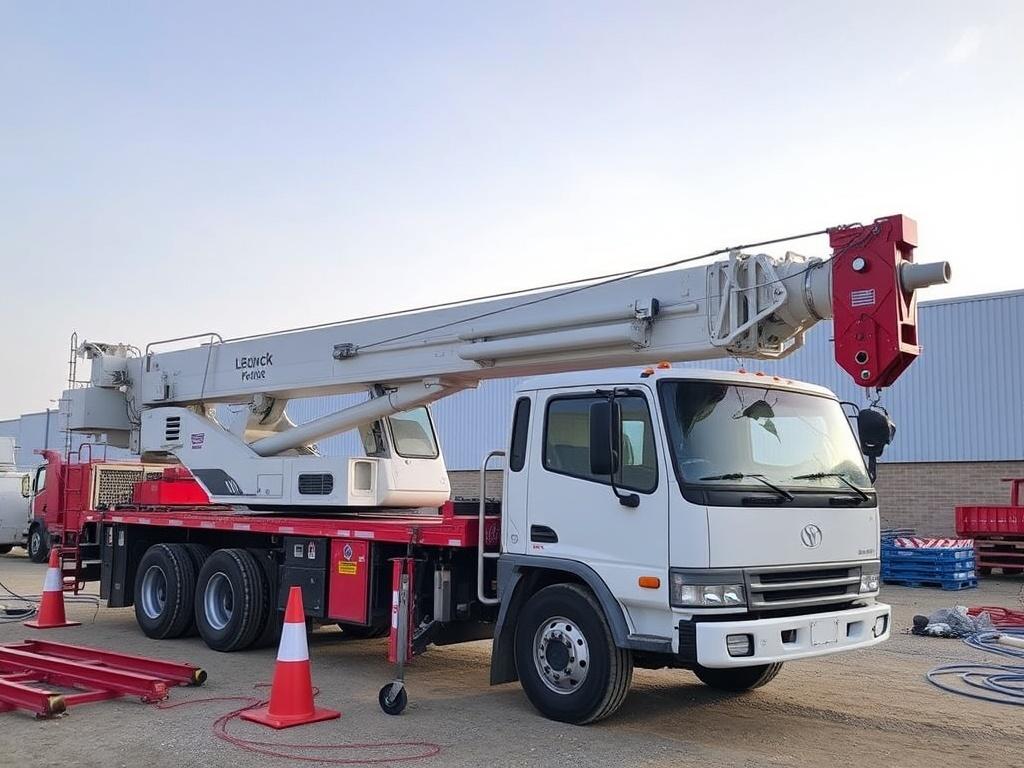
Safety is paramount when setting up any crane operation.
- Wear appropriate personal protective equipment (PPE) at all times.
- Keep an exclusion zone around the crane setup and lifting area.
- Communicate clearly with all personnel involved, and use standard hand signals or radios.
- Be aware of weather conditions—wind, rain, or lightning can affect crane stability.
- Always follow the crane manufacturer’s guidelines strictly.
Common Mistakes to Avoid When Setting Up Mobile Cranes
Learning from common pitfalls can save time and prevent accidents.
| Mistake | Why It Happens | How to Avoid It |
|---|---|---|
| Not leveling the crane properly | Rushing setup or ignoring leveling devices | Use spirit levels, digital inclinometers; ensure level ground |
| Inadequate ground preparation | Assuming the ground is stable without inspection | Conduct soil testing; use mats or pads where necessary |
| Overloading the crane | Lack of knowledge of load charts or ignoring them | Always refer to load charts; err on the side of caution |
| Insufficient outrigger extension | Ignoring manufacturer recommendations to save time | Fully extend outriggers according to manual |
| Poor communication on site | No established protocols or distractions | Set clear signals and roles before starting |
Checklist for Setting Up Mobile Crane on Site
To make your life easier, here is a handy checklist summarizing all the critical steps you should follow:
- Conduct a thorough site inspection and risk assessment.
- Select a stable, accessible crane setup location.
- Prepare and level the ground with mats or pads as needed.
- Fully extend and properly support outriggers.
- Assemble the crane components correctly, including boom and counterweights.
- Check all controls, safety devices, and communication equipment.
- Perform a load test prior to actual lifting work.
- Maintain safety zones and wear PPE throughout the process.
Modern Technologies to Assist in Crane Setup
Advances in technology are making it easier and safer to set up cranes on site. Some innovations include:
- Load Moment Indicators (LMI): These systems continuously monitor load weight, boom angle, and radius to warn operators before overload occurs.
- Electronic Leveling Systems: Automated systems assist in leveling the crane with high precision.
- Drone Site Inspections: Using drones to get aerial views can help identify site hazards before setup.
- 3D Modeling and Simulations: Virtual setup planning helps create safe, efficient lift plans.
Incorporating these technologies can enhance the safety and productivity of your crane operations.
Training and Certification Requirements for Crane Setup
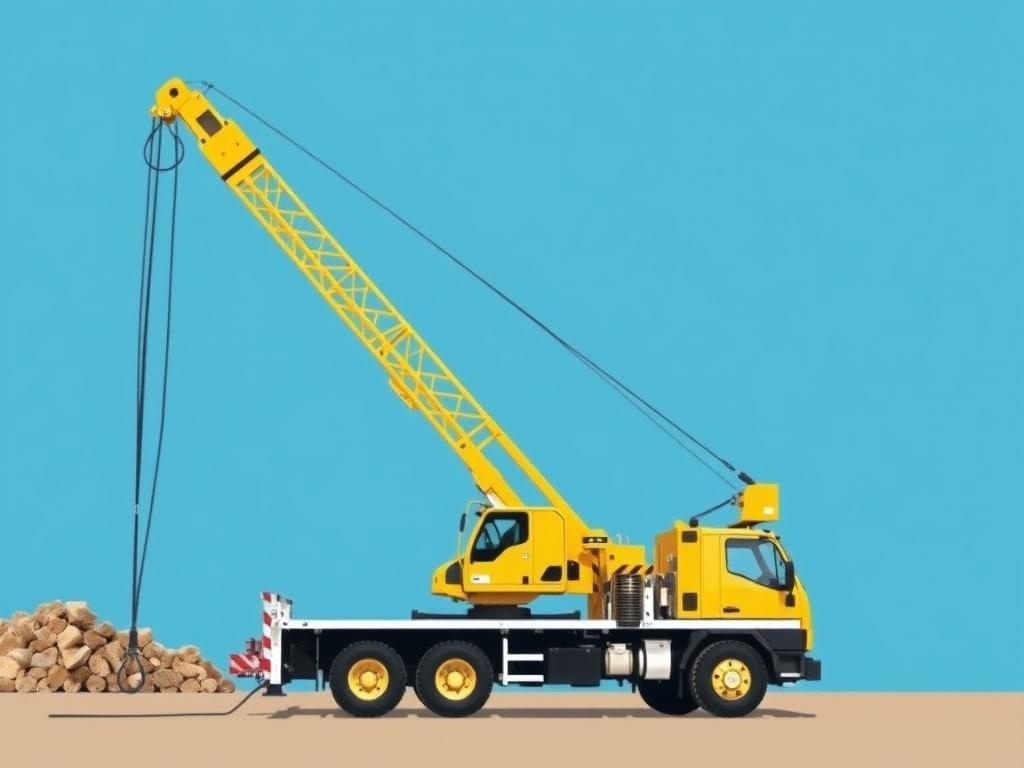
Proper training is essential for anyone involved in setting up a mobile crane on site. Many countries require crane operators and signal persons to be certified and trained in proper procedures.
- Operators should complete comprehensive training courses covering crane types, load charts, and safety protocols.
- Signal persons must learn standardized hand signals and rigging procedures.
- Regular refresher courses maintain skill levels and keep workers updated on safety regulations.
Investing in training not only saves lives but also reduces downtime caused by mistakes.
Environmental and Weather Considerations
The environment in which you set up the crane can have a large impact on its performance.
Weather Factors to Monitor
- Wind speed: High winds can destabilize cranes especially when the boom is extended.
- Rain and moisture: Can make grounds slippery and affect operator visibility.
- Temperature extremes: Cold can affect hydraulic fluid viscosity; heat can cause overheating.
Planning your crane operations around the best weather conditions and having contingency plans is a mark of a professional setup process.
Summary Table: Key Factors in Mobile Crane Setup
| Factor | Importance | Action Required |
|---|---|---|
| Ground Stability | Critical for safety | Inspect and prepare ground with mats if necessary |
| Outrigger Setup | Prevents tipping | Fully extend and support with pads |
| Load Limits | Prevents mechanical failure | Follow load charts strictly |
| Weather Conditions | Affects stability and operations | Monitor forecasts and avoid operations in severe weather |
| Operator Training | Ensures proper handling | Maintain up-to-date certifications |
Conclusion
Knowing how to properly set up a mobile crane on site is essential for any successful lifting operation. From the initial planning and site inspection through choosing the right location, preparing the ground, setting outriggers, assembling the crane, and conducting final safety checks, every step has a direct impact on safety and efficiency. Avoiding common mistakes such as improper leveling or ignoring load charts protects lives and equipment. Modern technologies and continuous training further enhance setup quality and operational performance. Remember, preparation, communication, and adherence to safety protocols are your best tools for a seamless mobile crane setup on any site. By following the comprehensive guidance provided here, you can confidently tackle even the most challenging crane setups, ensuring your project stays on track and accident-free.
















 Loading ...