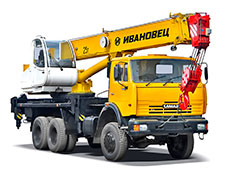
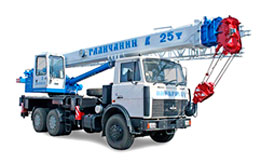
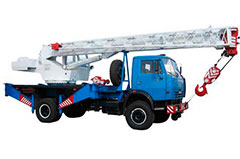
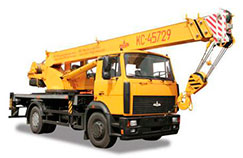
When it comes to handling oversized loads, a mobile crane becomes an indispensable tool that can make the difference between a smooth operation and a logistical nightmare. Whether you’re in construction, industrial manufacturing, or event setup, understanding how to use a mobile crane effectively is crucial. Oversized loads present unique challenges due to their size, weight, and sometimes irregular shape, and without proper planning and execution, these challenges can quickly escalate into safety hazards or costly damages. In this comprehensive guide, we will explore step-by-step how to handle oversized loads with a mobile crane, covering everything from initial planning to the actual lift, ensuring you have all the knowledge needed to operate safely and efficiently.
Understanding Oversized Loads and Mobile Cranes
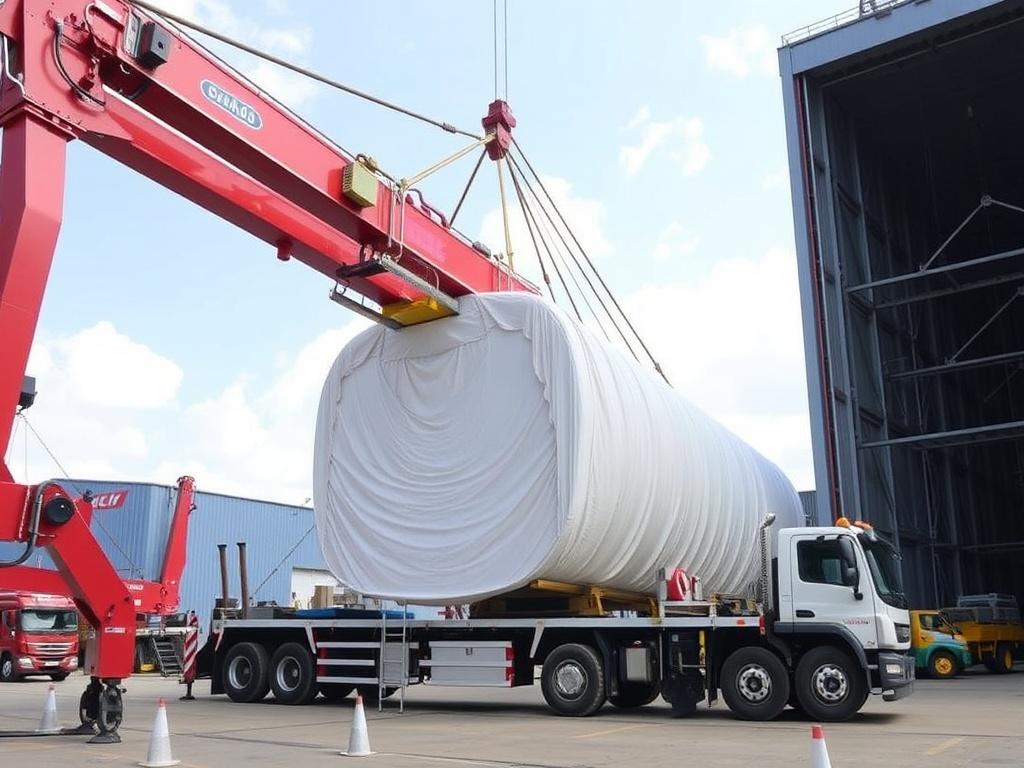
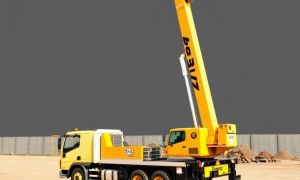
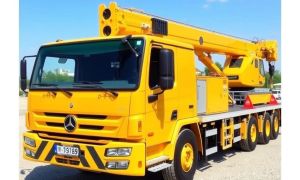
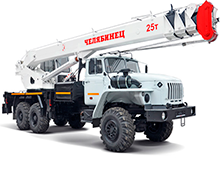
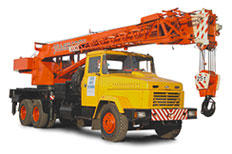
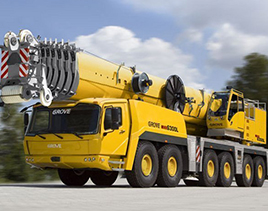
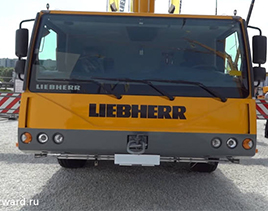
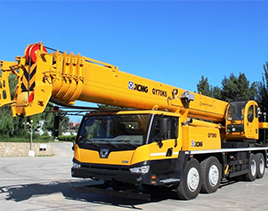
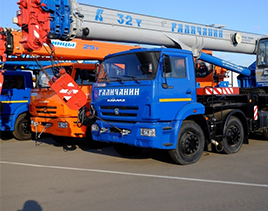
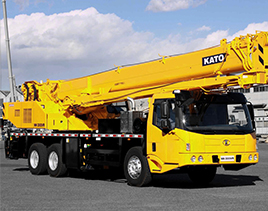
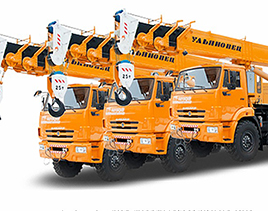
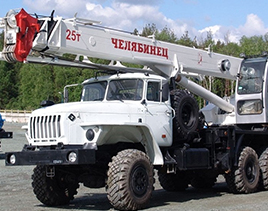
Before diving into the specifics of handling oversized loads, it helps to have a clear understanding of what we’re dealing with. An oversized load refers to any cargo larger than the standard legal dimensions for transport or lifting. These loads might include large machinery, construction materials like steel beams, prefabricated building sections, or even heavy equipment like turbines or generators. Mobile cranes, on the other hand, are versatile lifting machines mounted on a wheeled chassis, allowing them to move easily around a job site or even on public roads.
The key to successfully handling oversized loads with a mobile crane begins with recognizing their characteristics:
- Weight: Oversized loads are usually much heavier than standard loads, requiring cranes with sufficient lifting capacity.
- Dimensions: Their bulky size can affect lift planning, transport, and site setup.
- Shape and Balance: Loads may be irregularly shaped, making securing and lifting more complex.
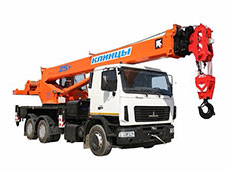
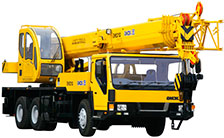
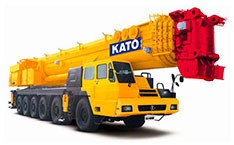
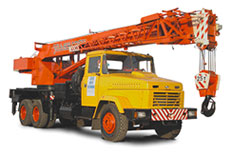
Mobile cranes come in different capacities and configurations, including all-terrain cranes, truck-mounted cranes, and rough terrain cranes. Selecting the right crane for your oversized load is the first critical step in the process.
Key Features of Mobile Cranes for Oversized Loads
To handle oversized loads efficiently, mobile cranes generally offer:
| Feature | Benefit |
|---|---|
| High Lifting Capacity | Can safely lift and move heavy oversized loads |
| Telescopic Boom | Adjustable reach to accommodate different load sizes and heights |
| Mobility | Easy repositioning on-site or on roads, reducing setup time |
| Stabilizers/Outriggers | Ensures stability during heavy lifts to prevent tipping |
| Advanced Control Systems | Precision in positioning and safer load handling |
Understanding these features helps operators maximize the crane’s potential when it comes to handling complex oversized loads.
Step 1: Planning Your Lift for Oversized Loads
Successful handling of oversized loads starts long before you lift anything off the ground. Planning is the foundation of safety and efficiency. Here’s how to approach it carefully:
Assess the Load Characteristics
Begin by gathering detailed information about the oversized load itself:
- Exact weight—knowing this prevents overloading and is critical for crane selection.
- Load dimensions—length, width, and height determine the crane’s boom length and positioning.
- Load center of gravity—critical for stability and balance during the lift.
- Attachment points—where rigging equipment can be safely connected.
This assessment often involves consulting with engineers or the load manufacturer to understand any restrictions or special handling instructions.
Consider the Site Environment
Your crane’s environment plays a pivotal role in whether your oversized load can be handled smoothly:
- Ground Conditions: Firm, level ground is essential—soft or uneven surfaces require additional stabilization measures.
- Obstacles: Power lines, trees, buildings, or other equipment can interfere with crane setup or lift path.
- Access Routes: For moving the crane to the site, ensure roads and paths can support its weight and allow safe maneuvering.
Mapping out the site helps reduce surprises and allows for the best positioning of the mobile crane.
Choose the Right Mobile Crane
With load and site information at hand, select a mobile crane that matches the job requirements, considering:
- Lifting capacity exceeds the load weight with a safety margin.
- Boom length sufficient for reach and height clearance.
- Mobility needs—can the crane get to and around the site?
Sometimes, you may need to coordinate with crane rental companies or specialists to find the ideal equipment that suits your oversized load.
Step 2: Preparing Your Mobile Crane and Rigging Gear
After planning comes preparation. Properly equipping and setting up your crane is vital for safe lifting when dealing with oversized loads.
Inspect the Mobile Crane
Before any lift, a thorough inspection of the crane is mandatory. This includes:
- Checking mechanical systems for wear and damage—hydraulics, brakes, boom sections.
- Verifying safety systems are functioning—load moment indicators, anti-two-block systems.
- Ensuring tires or tracks are in good condition and adjusting tire pressures for site conditions.
A well-maintained crane reduces the risk of failure during critical lifts.
Set Up Stabilizers and Outriggers
Stability can’t be overstated when lifting oversized loads. Proper deployment of stabilizers and outriggers ensures:
- The crane has a stable footprint on firm ground.
- Maneuvering during lifts won’t cause tipping or shifting.
Make sure to use outrigger pads or mats if the ground is soft, and double-check leveling.
Choose and Inspect Rigging Equipment
The rigging system connects the crane to the load. For oversized loads, rigging complexity increases, requiring:
| Rigging Component | Purpose | Inspection Point |
|---|---|---|
| Slings (Wire Rope, Synthetic) | Supports and lifts the load | Check for frays, cuts, or damage |
| Shackles | Connect slings to load or hook | Ensure pins are tight and unbent |
| Spreader Bars | Distribute load evenly to prevent damage | Check for cracks or deformities |
| Hooks | Lifting point on crane | Inspect safety latches and shape |
Never use rigging gear that does not meet safety standards or is rated below the load weight.
Step 3: Executing the Lift Safely
With thorough planning and preparation done, it’s time to execute the lift. This phase demands precision, communication, and strict adherence to safety protocols.
Pre-Lift Briefing
Gather your team for a pre-lift briefing that covers:
- Roles and responsibilities of everyone involved.
- Lift plan review—path, hazards, signals, emergency procedures.
- Checking weather conditions, particularly wind speeds, which can affect oversized loads.
Clear communication before the lift prevents confusion during critical moments.
Position the Mobile Crane Correctly
Proper positioning ensures the crane can lift and maneuver the oversized load without complications:
- Align the crane so the boom has a clear path to the load and destination.
- Ensure outriggers are fully extended and stabilized.
- Confirm sufficient clearance from obstructions.
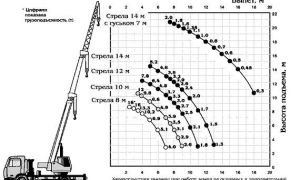
Always respect the crane’s load chart, which outlines lifting capacity at various boom angles and extensions.
Attach Rigging to the Load
Connect the rigging to the load carefully, ensuring:
- The load is balanced and secure in the rigging points.
- Slings do not cross or twist, which could cause damage or uneven loading.
- Spreader bars are used if necessary to maintain load integrity.
Never stand under or near the load during attachment.
Perform a Test Lift
Before moving the load, perform a slow, controlled test lift by raising the load just a few inches off the ground. This step checks for:
- Load stability and balance.
- Potential snags or unforeseen obstacles.
- Response of the crane and rigging to the load weight.
If issues arise, lower the load, reassess, and correct before proceeding.
Lift, Move, and Place the Load
When you raise the load fully:
- Operate crane controls smoothly to avoid sudden movements, which stress both equipment and load.
- Communicate constantly with riggers and signalers to ensure everyone stays informed.
- Move the load slowly and along the planned path, avoiding obstacles.
- Once at the destination, lower the load gently onto supports or foundations, ensuring stability.
Patience and gradual movements are key to a successful oversized load lift.
Step 4: Post-Lift Procedures and Review
Even after the oversized load is safely positioned, the job isn’t over. Proper wrap-up can prevent accidents and prepare your team for future lifts.
Inspect Equipment and Load
Check for any damage to rigging or crane components after the lift:
- Look for signs of stress like bent hooks or worn slings.
- Ensure the load is stable and correctly seated in its new location.
Damage should be reported immediately and equipment taken out of service if necessary.
Document the Lift
Keep detailed records of the lift operation including:
- Load characteristics.
- Crane and rigging details.
- Lift plan and any changes.
- Incidents or challenges faced.
This documentation helps in maintaining safety standards and serves as a valuable reference.
Conduct a Post-Lift Team Debrief
Gather the team to discuss what went well and what could improve. This feedback loop builds experience for handling future oversized loads more efficiently and safely.
Common Challenges and How to Overcome Them
No article on handling oversized loads with a mobile crane would be complete without addressing typical challenges you might face:
| Challenge | Solution |
|---|---|
| Limited Site Space | Use cranes with smaller footprints or perform lifts in phases; communicate closely with site planners. |
| Unstable Ground | Use outrigger mats, ground improvement techniques, or relocate crane setup to more stable ground. |
| Irregularly Shaped Loads | Consult lifting engineers to design custom rigging and utilize spreader bars for balanced lifting. |
| Weather Conditions | Monitor forecasts, delay lifts during high winds or storms, and plan accordingly for safe load handling. |
| Communication Barriers | Use radios, standardized hand signals, and ensure all team members understand the plan before the lift. |
Preparation and adaptability are your best allies in overcoming these challenges.
Tips for Enhancing Safety with Oversized Loads and Mobile Cranes
Beyond technical know-how, certain best practices further enhance safety when handling oversized loads:
- Always use qualified crane operators and riggers with experience in oversized load handling.
- Follow OSHA and ANSI standards relating to crane operations and load handling.
- Keep all personnel clear of the load’s path and never allow anyone to stand under a suspended load.
- Use tag lines to help control load swing during movement.
- Wear appropriate personal protective equipment (PPE) including hard hats, gloves, and high-visibility vests.
A safety-first mindset makes every lift more predictable and secure.
Conclusion
Handling oversized loads with a mobile crane is a complex yet rewarding task that demands thorough planning, careful preparation, precise execution, and diligent follow-up. By understanding your load, selecting the right crane, preparing the equipment and rigging carefully, and operating with clear communication and safety protocols in place, you can master the art of moving even the most challenging oversized loads. Challenges are inevitable, but with the right knowledge, tools, and team, these challenges can become manageable steps toward a successful lift. Whether you’re an experienced crane operator or overseeing a project team, this structured approach helps ensure your operations remain efficient, safe, and effective, every single time.











 Loading ...