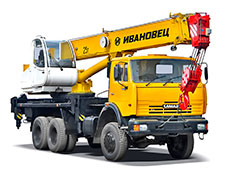
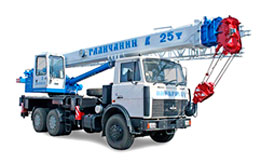
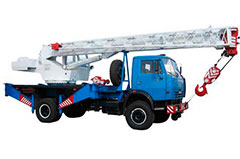
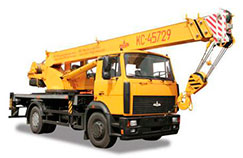
Telescopic cranes are marvels of modern construction and heavy lifting, offering a unique blend of power, precision, and flexibility. Whether you are a construction enthusiast or someone curious about how massive loads are moved with ease, understanding telescopic cranes opens a window into an essential world of engineering. These cranes stand out because of their extendable boom, which can be adjusted to different lengths, allowing operators to reach heights and distances that are often impossible for traditional cranes. In this article, we’ll explore how telescopic cranes work, their main components, types, and real-world applications where they excel the most.
Understanding the Basics: What is a Telescopic Crane?
At its core, a telescopic crane is a type of mobile crane equipped with a boom made of multiple tubes fitted one inside the other. This design enables the boom to extend or retract, much like a telescope, which is where the name comes from. Unlike lattice boom cranes that have a fixed length and require assembly on-site, telescopic cranes offer faster setup times and greater flexibility. The ability to change boom length dynamically not only improves productivity but also enhances safety as operators can better adapt to tight or challenging environments.
The telescopic mechanism is usually powered by hydraulic cylinders, which push the sections out or pull them back in smoothly. This system ensures stable and controlled extension, even under heavy loads. Because of this clever engineering, telescopic cranes are popular in industries ranging from construction and heavy manufacturing to oil and gas and even emergency rescue operations.
How Telescopic Cranes Work: The Mechanics Behind the Boom

Let’s dive deeper into how the telescopic boom actually operates. Imagine the boom as a set of nested tubes — each one a little smaller than the last. When the crane operator wants to extend the boom, hydraulic pressure is applied to cylinders attached inside the boom sections. This pressure forces the sections to slide out sequentially, lengthening the reach of the boom. To retract, the system gradually pulls these sections back into the larger tubes. This telescoping action is smooth and controlled, allowing precise placement of loads.
Hydraulic cylinders are critical here. They provide the force needed to extend and retract but also play a vital role in maintaining the boom’s stability during operation. These cylinders are connected to sophisticated control systems, allowing the operator to modulate speed and extension length accurately.
Along with the hydraulic system, telescopic cranes often have other important components such as:
- Outriggers: These extend laterally from the crane’s base to stabilize the entire structure during lifting.
- Rotating Platform: Much like a turret, this allows the boom and hook to rotate 360 degrees.
- Load Sensors: To measure the weight being lifted and ensure operations stay within safe limits.
- Winches and Hoists: These manage the cable that lifts and lowers loads.
Types of Telescopic Cranes and Their Features
Telescopic cranes come in various types, each designed to cater to different operational needs. Understanding their features can help you appreciate where telescopic cranes excel and why they are preferred in many scenarios.
1. Truck-Mounted Telescopic Cranes
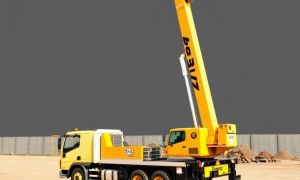
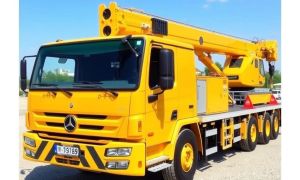
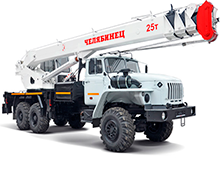
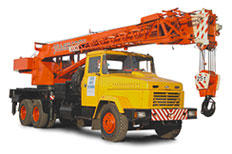
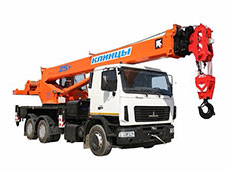
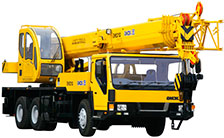
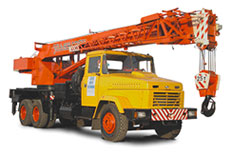
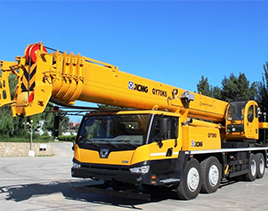
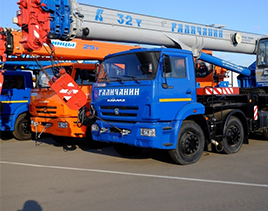
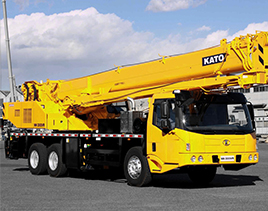
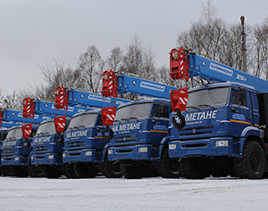
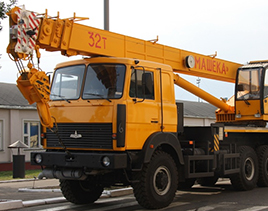
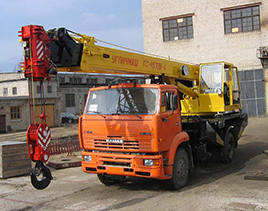
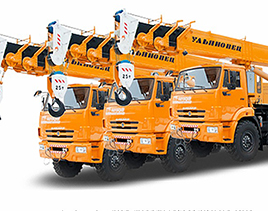
Truck-mounted cranes have the telescopic boom attached directly to a truck chassis. This configuration makes them highly mobile, able to drive on public roads without requiring additional transportation. They are popular for urban construction projects or tasks where frequent relocation is necessary. Their compact design allows them to navigate congested areas better than larger cranes.
2. Crawler Telescopic Cranes
Crawler cranes have tracks instead of wheels, giving them unparalleled stability on rough and uneven terrain. When equipped with a telescopic boom, these cranes combine reach with ruggedness, making them ideal for large-scale projects such as infrastructure development or heavy industry construction. The tracks distribute the weight evenly, allowing them to lift heavier loads compared to truck-mounted versions.
3. All-Terrain Telescopic Cranes
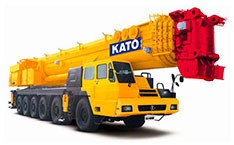
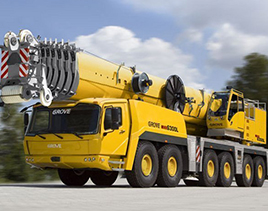
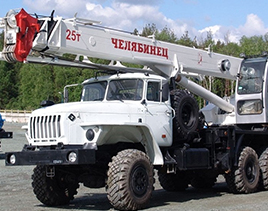
As the name suggests, all-terrain cranes blend the best of trucks and crawlers, featuring wheeled chassis with heavy-duty suspension systems and off-road capabilities. Their telescopic booms make them versatile, perfect for projects that require travel across diverse landscapes. Operators appreciate their ability to move quickly between job sites while still handling heavy lifts effectively.
4. Rough Terrain Telescopic Cranes
Designed exclusively for off-road use, these cranes feature four-wheel drive and a fixed chassis with a telescopic boom on top. They are optimized for budget-friendly, heavy-lifting tasks on uneven grounds such as forestry or mining operations.
| Type | Key Features | Typical Applications |
|---|---|---|
| Truck-Mounted | High mobility, easy road travel, compact | Urban construction, utilities maintenance |
| Crawler | Great stability, tracks for all terrains, heavy lifting | Large infrastructure projects, heavy industry |
| All-Terrain | Combines wheeled mobility and off-road skills | Versatile projects, mixed terrain travel |
| Rough Terrain | 4WD, optimized for uneven ground | Mining, forestry, off-road construction |
Where Telescopic Cranes Excel: Key Advantages and Applications
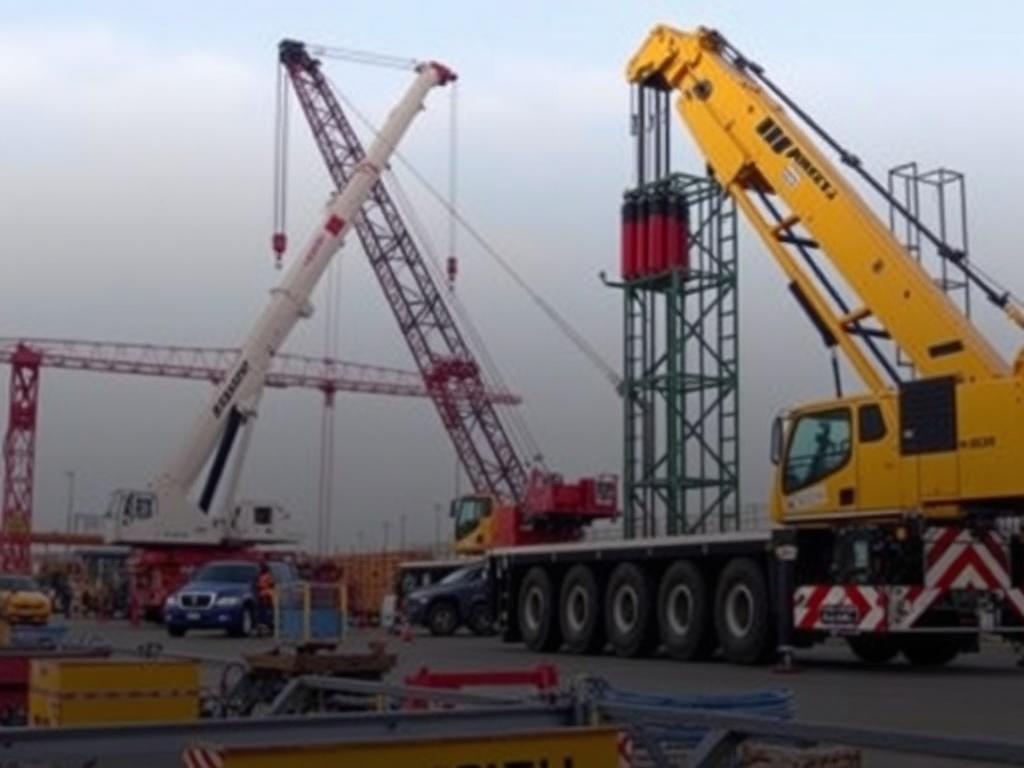
You might wonder why telescopic cranes have become so popular in so many industries. The answer lies in their unique advantages and adaptability, which make them invaluable across a broad range of tasks and environments.
Flexibility in Boom Length and Angle
One of the biggest reasons telescopic cranes excel is their ability to adjust boom length on the fly. This flexibility allows operators to reach places that would be difficult or impossible with fixed-length cranes. For example, they are perfect for lifting materials to different floors on a construction site without constant repositioning. The adjustable angle and ability to extend or retract also mean they can adapt to tight spaces or large open areas with equal ease.
Quick Setup and Mobility
Unlike lattice boom cranes which require lengthy assembly, telescopic cranes can be ready in a matter of minutes. This quick setup translates into higher productivity and lower labor costs. Additionally, their mobility lets companies use the same crane for several jobs in one day, which is cost-effective and efficient.
High Precision and Safety
Modern telescopic cranes come equipped with advanced control systems and load-sensing technologies. These features enhance precision during lifts, reducing the risk of accidents. The stability provided by outriggers and the robust hydraulic mechanism also contributes to safer operations, especially when handling heavy or awkward loads.
Typical Applications
Here are some areas where telescopic cranes truly shine:
- Construction: Moving beams, concrete, and prefabricated components with speed and accuracy.
- Transportation and Logistics: Loading and unloading heavy cargo in ports and warehouses.
- Energy Sector: Installing wind turbines, transformers, and other heavy infrastructure.
- Disaster Response: Clearing debris and assisting in rescue operations thanks to their ability to maneuver swiftly.
- Events and Entertainment: Setting up stages, lighting rigs, and large equipment.
Maintenance and Operation Tips for Telescopic Cranes

To keep a telescopic crane operating smoothly, regular maintenance and safe operation practices are essential. Hydraulic systems require frequent checks for leaks or pressure loss. Boom sections should be inspected for cracks, corrosion, or alignment issues. Operators must also be trained to understand load charts and be aware of environmental conditions like wind or uneven ground.
Here is a quick checklist for maintaining a telescopic crane:
- Inspect hydraulic cylinders and hoses for signs of wear or leakage.
- Lubricate boom sections regularly to ensure smooth extension and retraction.
- Check outriggers for damage and proper stabilization.
- Test load moment indicators and sensors for accuracy.
- Perform daily visual inspections before use.
- Ensure operator training on current safety standards.
Telescopic Cranes vs. Other Crane Types: How Do They Compare?
Since there are many types of cranes available, you might ask how telescopic cranes compare with others such as lattice boom cranes or tower cranes. Each has its strengths, but telescopic cranes offer a unique balance of mobility and versatility.
| Crane Type | Mobility | Setup Time | Reach and Height | Load Capacity | Common Uses |
|---|---|---|---|---|---|
| Telescopic Crane | High – can travel on roads | Fast – minimal assembly | Medium to High – adjustable boom | Moderate to High | Construction, transport, energy |
| Lattice Boom Crane | Low – requires transport and setup | Long – assembly needed | Very High – can be very tall | Very High | Heavy industrial lifts, large infrastructure |
| Tower Crane | Fixed on-site | Long – must be assembled | Very High – fixed height | Moderate to High | High-rise construction |
Conclusion
Telescopic cranes have secured their place as indispensable tools in modern heavy lifting and construction due to their unique telescoping boom design, which offers impressive flexibility, mobility, and safety. From truck-mounted to crawler and all-terrain models, their adaptability to different environments and tasks allows them to excel where other cranes might struggle. Whether lifting heavy materials on a busy construction site, helping in disaster relief efforts, or installing massive energy infrastructure, telescopic cranes combine engineering brilliance with practical functionality. Their hydraulic extension mechanism, quick setup, and precise load handling make them a favorite choice across industries. Understanding how these cranes work, their types, and where they bring the greatest value reveals why they continue to be a top choice for lifting challenges worldwide.











 Loading ...