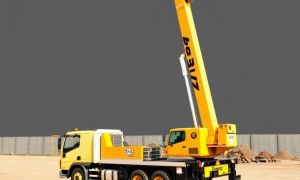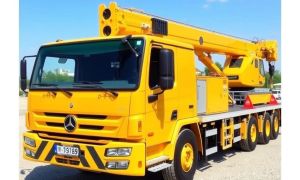
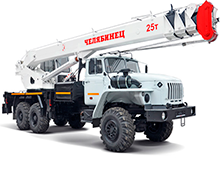
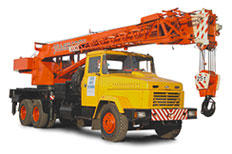
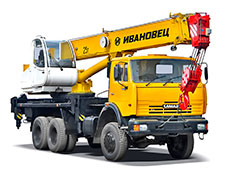
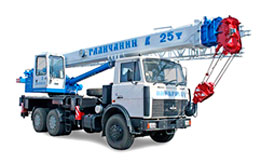
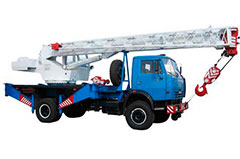
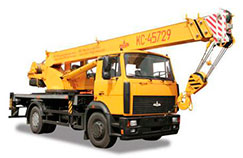
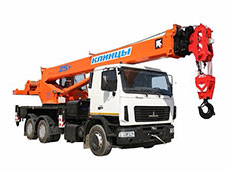
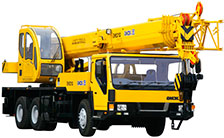
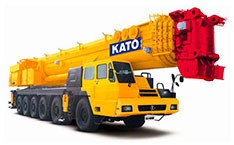
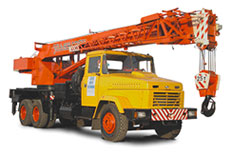
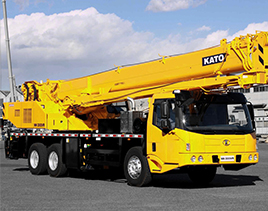
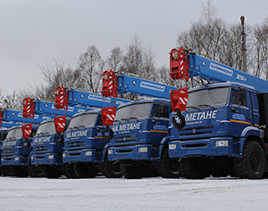
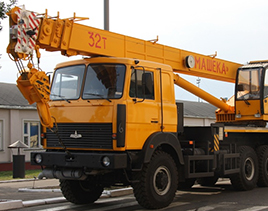
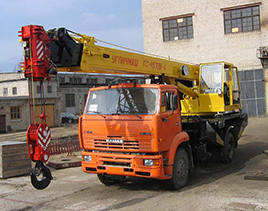
Mobile cranes are indispensable tools on construction sites, in industrial settings, and for a wide variety of lifting tasks. Their mobility allows them to reach places fixed cranes cannot, and their versatility supports numerous applications. However, like any complex machinery, mobile cranes can encounter issues that disrupt workflow, cause delays, and may even pose safety hazards. Understanding how to troubleshoot common mobile crane issues is essential for operators, technicians, and site managers alike. This article will walk you through diagnosing and resolving common problems, helping you maintain safety and efficiency on the job.
Understanding the Basics of Mobile Crane Functionality
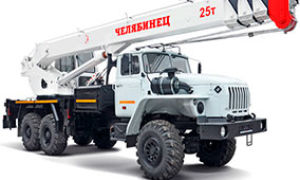
Before diving into troubleshooting, it helps to have a clear understanding of how mobile cranes operate. A mobile crane generally consists of a carrier, a telescoping boom or lattice boom, a rotating superstructure, hydraulic systems for movement, and a control system that governs the crane’s operations. The crane’s complex interplay of mechanical and hydraulic components enables it to lift, move, and place heavy loads precisely.
Common mobile crane issues often arise from problems in these fundamental systems—whether mechanical wear and tear, hydraulic malfunctions, or operator errors. Recognizing the symptoms early on can save time, reduce costs, and prevent accidents. Let’s explore the most frequently encountered problems and how you can troubleshoot them effectively.
Common Mobile Crane Issues and Their Causes
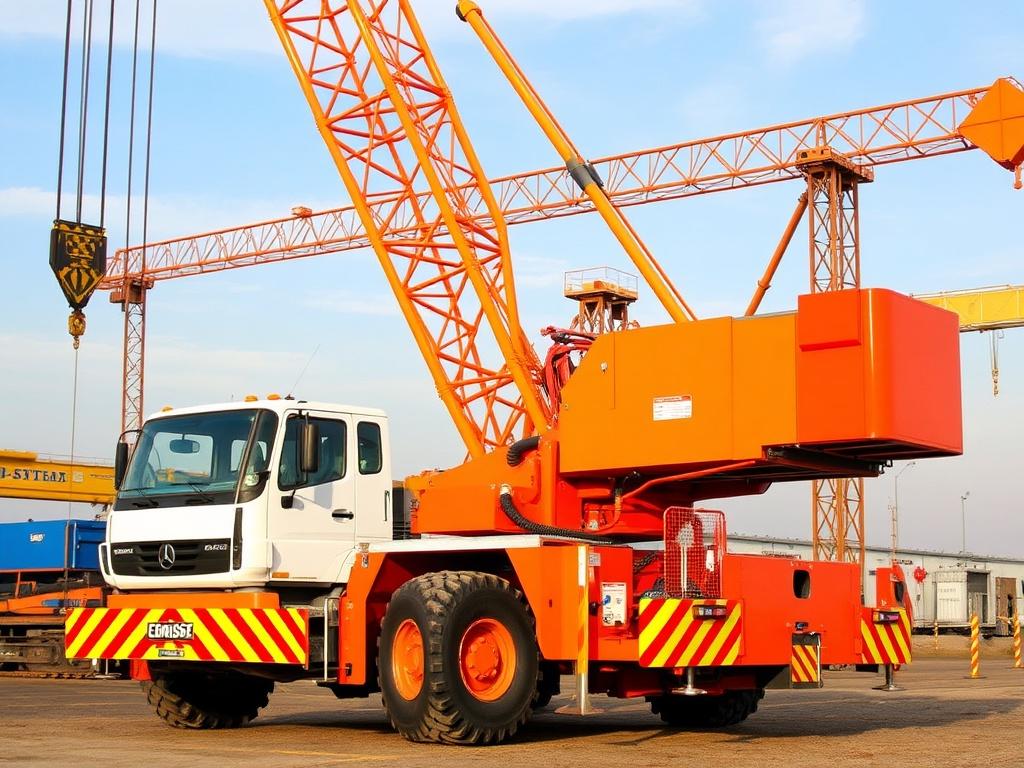
1. Crane Won’t Start or Has Electrical Problems
One of the first problems operators might encounter is the crane failing to start, or experiencing intermittent electrical issues such as flickering control panels or unresponsive switches. Electrical faults are common because modern mobile cranes are equipped with sophisticated electronic controls and sensors.
Common causes include:
- Dead or weak battery
- Loose or corroded wiring connections
- Faulty ignition switch
- Blown fuses or damaged relays
- Malfunctioning sensors or control units
To troubleshoot electrical issues:
- Check the battery voltage and charge or replace if necessary.
- Inspect all wiring and connectors for corrosion, loose fittings, or damage.
- Test fuses and relays, replacing any that are defective.
- If sensors or control modules seem faulty, use diagnostic tools or consult the crane’s manual to isolate errors.
2. Hydraulic Systems Not Performing Correctly
Hydraulics are the heart of crane operation, powering the boom lift, extension, steering, and other movements. When hydraulic systems falter, the crane may move sluggishly, fail to lift, or have uneven motion.
Key causes of hydraulic problems often include:
- Low hydraulic fluid levels or contaminated fluid
- Leaking hoses, seals, or cylinders
- Clogged or dirty hydraulic filters
- Malfunctioning hydraulic pumps or valves
To fix hydraulic issues:
- Regularly check and maintain fluid levels using the appropriate hydraulic oil.
- Inspect hoses, fittings, and seals for leaks or damage, replacing components as needed.
- Change hydraulic filters according to the manufacturer’s schedule or immediately if contamination is detected.
- Test pumps and valves for proper operation; these may require specialized servicing or replacement.
3. Overheating During Operation
Mobile cranes working under heavy loads or in high-temperature environments can overheat, causing shutdowns or damage. Overheating might affect the engine, hydraulic system, or brake components.
Common reasons include:
- Insufficient coolant or poor coolant circulation
- Blocked radiators or cooling fins
- Hydraulic system overheating due to fluid contamination or overworking
- Brake system overheating from overuse or malfunction
Troubleshooting overheating:
- Check coolant levels and top up with the correct mix as specified by the manufacturer.
- Inspect and clean radiators and cooling fans regularly to ensure proper airflow.
- Monitor hydraulic fluid temperature and inspect for contamination or degradation.
- Ensure brakes are properly adjusted and avoid excessive applications that generate heat.
4. Boom Extension or Retraction Problems
The boom is the core lifting tool of a mobile crane. If it won’t extend or retract smoothly, this poses a serious problem for crane operation and safety.
Common causes for boom malfunction include:
- Hydraulic pressure loss
- Damaged or corroded telescoping sections
- Worn or broken cables and pulleys
- Control system errors or misalignments
How to troubleshoot:
- Check the hydraulic pressure gauge and ensure the pump delivers consistent pressure.
- Inspect the boom for corrosion, dents, or physical damage and repair or replace sections as needed.
- Examine cables and pulleys, lubricate moving parts, and replace worn cables promptly.
- Reset control systems if errors arise, or use diagnostic tools to locate electrical faults affecting boom controls.
5. Unstable or Unsafe Crane Movement
Stability is paramount for safe mobile crane operation. If the machine rocks excessively, tilts unexpectedly, or has trouble lifting within rated capacities, the potential for accidents is high.
Typical culprits:
- Improper outrigger setup or malfunctioning outriggers
- Uneven or unstable ground conditions
- Incorrect load chart usage or exceeding rated loads
- Worn tires or suspension components affecting stability
Troubleshooting stability:
- Always verify that outriggers are fully extended and properly supported on pads or firm ground before operation.
- Assess ground conditions; avoid operating the crane on soft, inclined, or uneven surfaces without proper stabilization.
- Ensure the operator consults load charts carefully and never exceeds rated capacities.
- Regularly inspect tires and suspension, replacing worn parts to maintain smooth, stable movement.
6. Control Levers or Cab Instruments Not Responding
Operators rely on precise control of the crane via levers, joysticks, and cab instruments. When controls lag, stick, or don’t respond at all, crane operation becomes impossible and dangerous.
Possible causes include:
- Hydraulic control valve sticking or failure
- Electrical issues in control circuits
- Contaminated hydraulic fluid affecting valve movement
- Worn joystick or lever assemblies
Troubleshooting tips:
- Flush and replace hydraulic fluid if contamination is detected, and clean or replace filters to ensure smooth valve action.
- Test electrical circuits and wiring leading to control instruments; repair or replace faulty components.
- Inspect levers and joysticks for wear or damage, lubricating or replacing parts as needed.
- Perform routine maintenance according to manufacturer recommendations to avoid buildup or malfunctions.
Preventive Maintenance to Minimize Mobile Crane Issues
The best way to reduce troubleshooting headaches is proactive maintenance. Keeping your crane in good condition prevents many common problems before they happen, increasing uptime and safety.
Below is a table summarizing key preventive measures:
| Maintenance Task | Frequency | Purpose |
|---|---|---|
| Battery check and charging | Weekly or before each use | Ensure reliable starting and electrical supply |
| Hydraulic fluid level and filter inspection | Daily and monthly | Maintain system pressure and cleanliness |
| Visual inspection of cables, hoses, and seals | Before each shift | Detect wear, leaks, or damage |
| Throttle, brake, and steering system checks | Weekly or monthly | Maintain responsive and safe operation |
| Load chart review and calibration check | Monthly or after repairs | Ensure accurate load lifting guidelines |
| Radiator and cooling system cleaning | Monthly or as needed | Prevent overheating |
Tips for Operators to Avoid Common Mobile Crane Issues
Besides technical maintenance, operator knowledge and behavior significantly affect crane reliability. Here are practical tips for operators:
- Always conduct a pre-operation inspection and report any abnormalities immediately.
- Follow the crane’s operational manual and stay within load limits.
- Operate controls smoothly to avoid sudden jolts that stress mechanical parts.
- Keep the crane clean and free from debris that could interfere with moving parts.
- Communicate with site supervisors and technicians when any unusual noises or responses are noted.
- Undergo regular training to stay current with best practices and safety requirements.
When to Call a Professional Technician
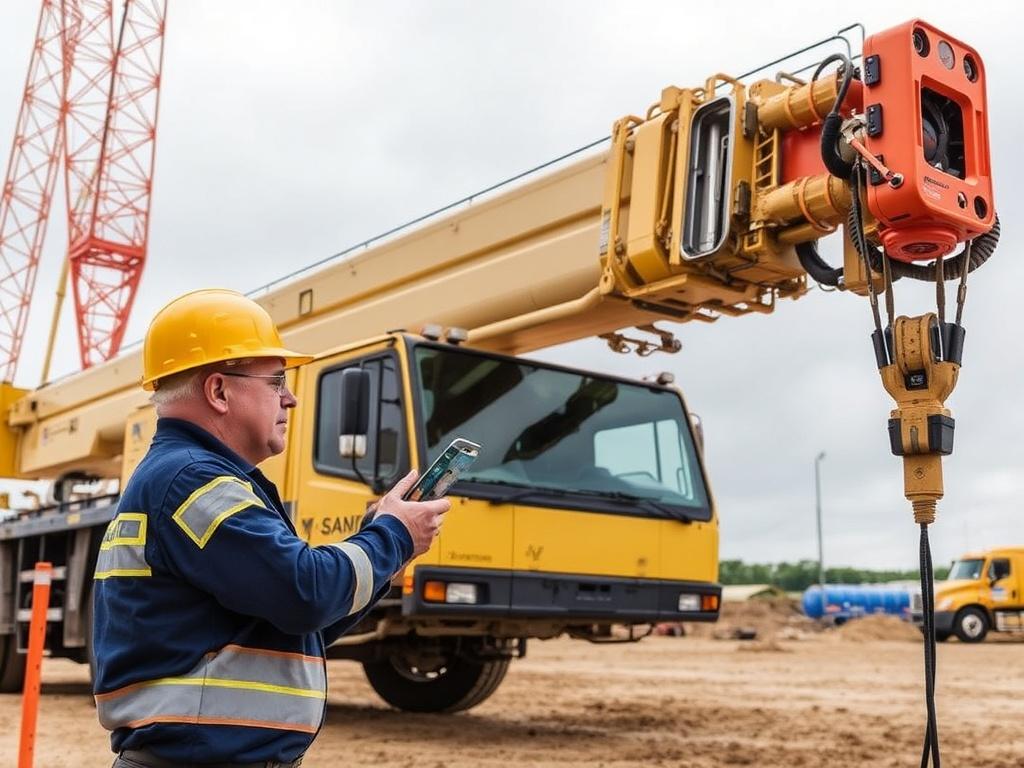
While many mobile crane issues can be quickly diagnosed and fixed by trained operators or maintenance staff, certain problems require expert attention. If you encounter:
- Persistent mechanical failures despite routine maintenance
- Complex electrical system faults that trigger multiple error codes
- Hydraulic pump or valve failures needing replacement parts
- Structural damage to the boom or chassis
it’s crucial to contact professional technicians or authorized service centers. Attempting major repairs without proper tools or experience may worsen problems and void warranties.
Summary Table of Common Mobile Crane Issues and Troubleshooting Steps
| Issue | Symptoms | Likely Causes | Troubleshooting Steps |
|---|---|---|---|
| Crane won’t start | Engine doesn’t turn over, no electrical power | Dead battery, faulty ignition, wiring faults | Check/charge battery, inspect wiring, test fuses & switches |
| Hydraulics not working | Slow or no boom movement | Low fluid, leaks, clogged filters | Check fluid, replace filters, repair leaks |
| Overheating | Engine or hydraulics hot, shutdowns | Low coolant, blocked radiators, brake misuse | Fill coolant, clean radiators, avoid brake overheating |
| Boom won’t extend/retract | Boom stuck or slow | Hydraulic pressure loss, damaged boom parts | Check pressure, inspect boom, lubricate cables |
| Unstable movement | Crane rocks, tilts | Outrigger issues, uneven ground | Set outriggers properly, stabilize ground |
| Controls unresponsive | Levers stick, no response | Hydraulic valve stick, electrical faults | Flush fluid, check electronics, repair controls |
Conclusion
Mobile cranes are highly engineered machines that demand proper care and attentive operation to maintain performance and safety. By understanding common mobile crane issues—from electrical and hydraulic faults to operational challenges—operators and technicians can troubleshoot problems effectively, minimizing downtime and risk. Regular preventive maintenance, operator training, and prompt response to warning signs ensure your mobile crane remains a dependable asset on any job site. When in doubt, consulting professional technicians protects both the equipment and the people working with it. Armed with this knowledge, you can keep your crane running smoothly and safely, lifting your projects to new heights.














 Loading ...