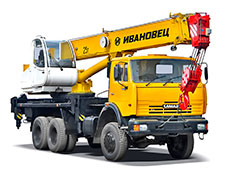
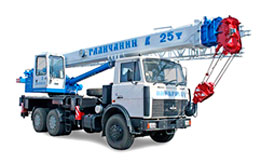
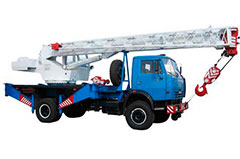
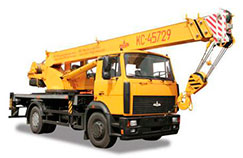
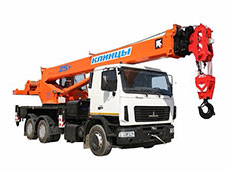
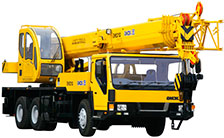
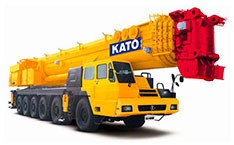
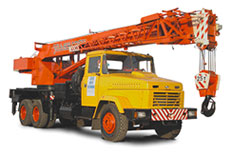
Mobile cranes are powerful machines that play a crucial role in construction sites, industrial projects, and even emergency rescue operations. If you’re considering a career that involves operating these impressive machines, understanding what’s covered in a mobile crane training program is essential. These programs are designed to equip you with the knowledge, skills, and safety awareness you need to operate a mobile crane confidently and responsibly. In this article, we’ll explore in detail the different components of mobile crane training programs, from theoretical lessons to hands-on practice and certification requirements.
Understanding the Importance of Mobile Crane Training
Why is specialized training necessary for mobile crane operators? The answer lies in the complexity and risk associated with these machines. Mobile cranes can lift extremely heavy loads, maneuver on uneven terrain, and operate under challenging conditions. Proper training ensures operators understand how to control the crane safely, comply with industry standards, and prevent accidents on the job site.
Training programs are usually comprehensive, providing a blend of classroom instruction and practical experience. This approach not only builds technical expertise but also reinforces safe work habits and situational awareness, which are critical to protecting both the operator and others on site.
Core Topics Covered in a Mobile Crane Training Program
A mobile crane training program covers a wide range of subjects that together prepare you for real-world operation. These topics are carefully structured to build your knowledge step-by-step.
1. Crane Fundamentals and Components
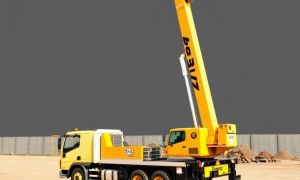
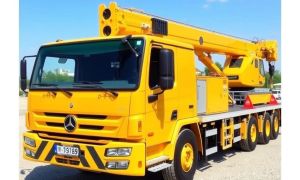
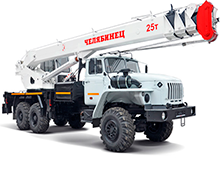
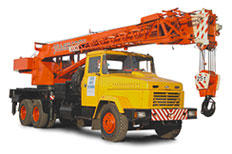
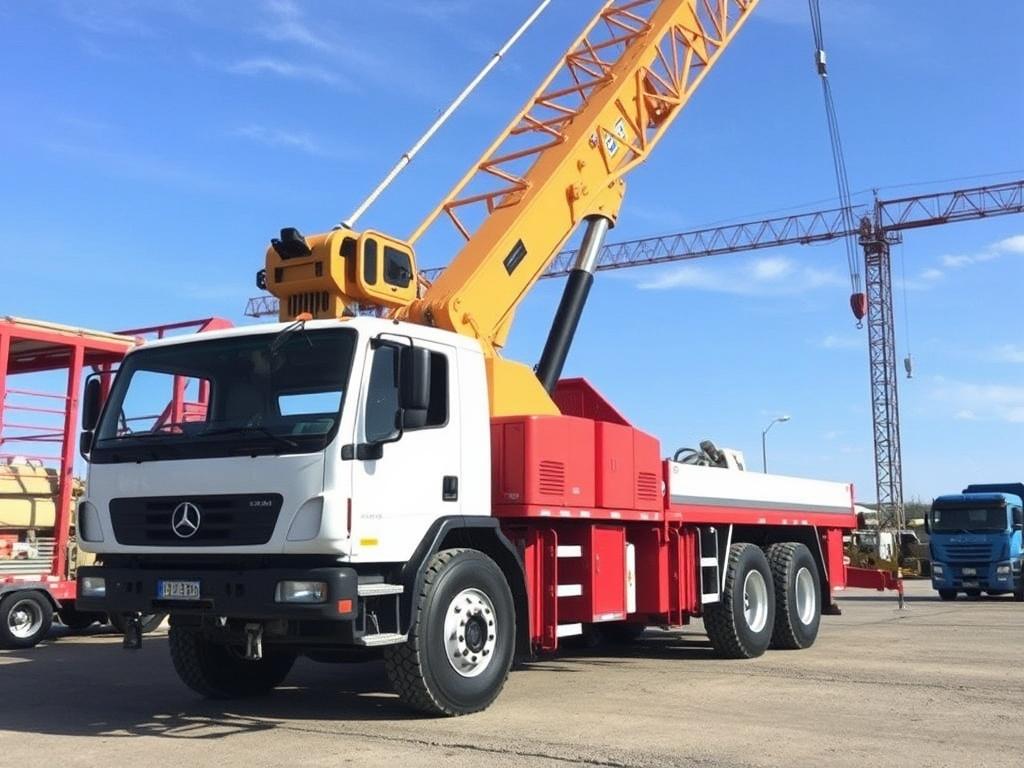
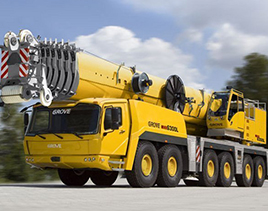
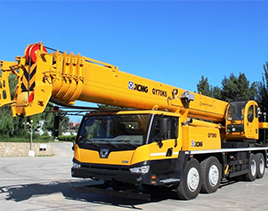
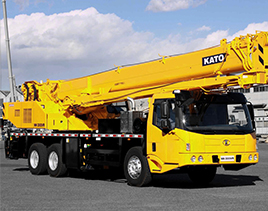
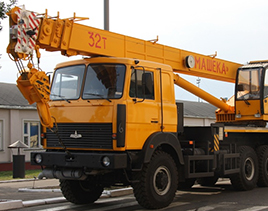
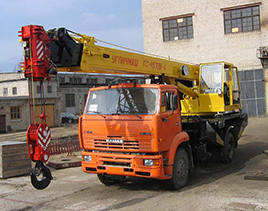
The first part of the training typically involves familiarizing you with the basic parts of a mobile crane. Understanding the anatomy of the crane is foundational for operating it effectively and troubleshooting issues. You’ll learn about:
- The boom and its different sections
- Outriggers and their role in stability
- The hoist mechanism and wire ropes
- Counterweights and their importance
- Operator controls and instrumentation
This knowledge helps you visualize how the crane functions during lifts and what each control does.
2. Safety Regulations and Standards
Mobile crane operators must adhere to strict safety regulations established by organizations such as OSHA (Occupational Safety and Health Administration) and ANSI (American National Standards Institute). Training programs cover:
- Relevant safety codes and guidelines
- Pre-operational inspections
- Hazard identification and risk mitigation
- Emergency procedures
- Load capacity charts and their interpretation
Following these safety protocols ensures the well-being of the operator and everyone on the job site.
3. Load Dynamics and Rigging Techniques
A substantial portion of your training focuses on how loads behave when lifted and moved. Understanding load dynamics is critical for preventing such incidents as tip-overs or dropped loads. Some key points include:
- The physics of lifting and load weight distribution
- Use of rigging equipment like slings, shackles, and hooks
- Proper attachment and securing of loads
- Communication signals between riggers and operators
Mastering rigging techniques is vital for every crane operator to ensure lifts are performed safely and accurately.
4. Operational Procedures and Maneuvering
Once you have the basics down, training moves to the operational side. You’ll practice maneuvering the crane, including:
- Starting and shutting down the crane safely
- Positioning the crane for optimal lift angles
- Operating the boom and hoist with precision
- Using outriggers to stabilize the crane on different terrains
- Conducting lifts under various conditions such as wind or tight spaces
This phase typically involves hands-on experience, often in simulated environments or controlled job site replicas.
5. Maintenance Checks and Troubleshooting
Reliable operation depends on keeping the crane in good condition. Training includes lessons on routine maintenance and early fault detection, such as:
- Inspecting the crane before and after use
- Checking hydraulic systems
- Identifying signs of wear or damage on cables and hooks
- Basic troubleshooting steps to resolve common problems
Operators who understand maintenance can prevent breakdowns and costly delays, ensuring safety and efficiency.
Certification and Licensing Requirements
Completing a mobile crane training program usually leads to certification, which validates your competence as a crane operator. Many states and employers require operators to hold specific licenses or certifications. These generally involve:
- Successful completion of a written exam covering theory and regulations
- A practical demonstration of crane operation skills
- Medical fitness evaluations to assess your physical ability to operate machinery
- Continuing education or re-certification periodically
The National Commission for the Certification of Crane Operators (NCCCO) is one of the most recognized bodies providing certification for mobile crane operators. Employers frequently look for NCCCO certification as proof of a candidate’s qualifications.
Duration and Structure of Mobile Crane Training Programs
The length of a mobile crane training program can vary widely depending on the depth of instruction and the training provider. Generally, programs range from a few days for basic courses to several weeks for comprehensive certification preparation.
Most training programs follow a clear structure to help learners progress smoothly:
| Training Phase | Description | Typical Duration |
|---|---|---|
| Theoretical Instruction | Classroom lessons on crane components, safety, and regulations | 1-3 days |
| Hands-on Practice | Practical experience operating a crane under supervision | 2-5 days |
| Evaluation and Testing | Written and practical exams to assess competency | 1 day |
| Certification Awarding | Issuance of license or certificate upon passing | Immediate to 1 day |
This layout allows trainees to absorb knowledge, build skills, and demonstrate their readiness as mobile crane operators.
Who Should Enroll in Mobile Crane Training?
Mobile crane training programs cater to a wide range of individuals aiming to pursue or advance careers involving crane operation. This includes:
- Construction workers seeking to expand their skill set
- Heavy equipment operators transitioning to cranes
- Workers in industries like oil and gas, shipping, or utilities
- Military personnel in engineering or logistics roles
- Anyone interested in entering the crane operating profession
Because cranes are complex and potentially dangerous machines, anyone who operates one should have formal training to prevent accidents and improve operational efficiency.
Benefits of Completing a Mobile Crane Training Program
Obtaining mobile crane training offers many advantages both for your safety and career prospects. Some of the key benefits include:
- Enhanced safety awareness: Training teaches you how to identify hazards and avoid accidents.
- Improved technical skills: You’ll gain hands-on expertise that boosts your confidence.
- Better job opportunities: Certified operators are in demand across diverse industries.
- Increased earning potential: Certification often translates to higher wages.
- Compliance with legal requirements: Many employers require certified operators to meet OSHA regulations.
In today’s competitive job market, a mobile crane training program is a solid investment in your professional future.
Choosing the Right Mobile Crane Training Program
With numerous training providers available, how do you pick the best program? Here are some tips to help you make an informed choice:
- Accreditation: Verify that the program is recognized by relevant authorities and offers proper certification.
- Experienced instructors: Look for trainers who have real-world crane operating experience.
- Curriculum comprehensiveness: Ensure the course covers theory, practical training, and safety regulations.
- Facility quality: Training centers with modern equipment and simulators can enhance learning.
- Student reviews: Feedback from past students can provide valuable insights into course quality.
Taking time to research and select the right program can significantly impact the effectiveness of your training experience.
Future Trends in Mobile Crane Training

As technology advances, mobile crane training programs are evolving to incorporate new methods and tools. Digital simulators and virtual reality (VR) training are becoming more common, allowing trainees to practice crane operation in a risk-free, immersive environment. These innovations improve skill acquisition and reduce training costs.
Moreover, ongoing updates to safety standards and machinery technology mean that continuous learning is necessary even after certification. Operators are encouraged to pursue refresher courses and stay current with industry best practices throughout their careers.
Summary of What’s Covered in a Mobile Crane Training Program
| Training Component | Description | Key Takeaways |
|---|---|---|
| Crane Components | Understanding mobile crane parts and controls | Recognize main parts and their functions |
| Safety Regulations | Compliance with OSHA and ANSI standards | Master safety protocols and inspections |
| Load Handling & Rigging | Safe load attachment and movement techniques | Prevent load accidents through proper rigging |
| Operational Procedures | Effective crane maneuvering and controls | Operate the crane smoothly and safely |
| Maintenance & Troubleshooting | Routine checks and problem detection | Maintain equipment reliability |
| Certification Process | Evaluation and licensing requirements | Qualify as a certified crane operator |
Conclusion
Embarking on a mobile crane training program is an essential step for anyone looking to become a skilled and safe crane operator. These programs cover everything from understanding crane components and complying with safety regulations to mastering load handling and gaining hands-on operation experience. With proper training, you not only protect yourself and others but also open doors to rewarding career opportunities in a vital industry. Whether you’re new to crane operation or seeking certification to advance your expertise, a comprehensive mobile crane training program is your foundation for success. Investing time and effort in such training guarantees you have the knowledge and confidence to handle one of the most powerful machines in the construction and industrial sectors.












 Loading ...