

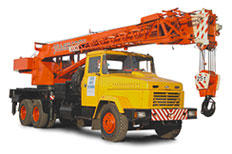

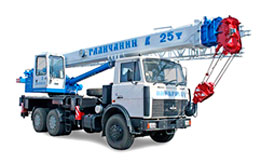
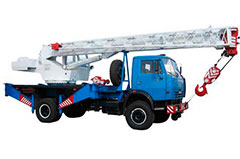
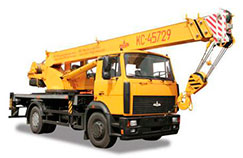
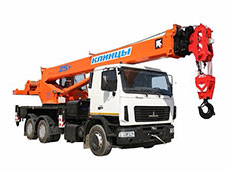
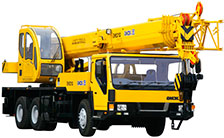

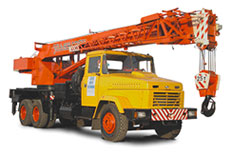
Operating a crane is a significant responsibility, especially when the equipment lifts heavy loads and operates around busy work sites. One of the most important routines to ensure safe crane operation is conducting a thorough pre-operational crane check. This process is fundamental in identifying potential problems before starting work, minimizing the risk of accidents, equipment failure, and costly downtime. If you’re a crane operator, safety supervisor, or anyone involved with crane operations, understanding how to conduct a pre-operational crane check is vital to daily success on site.
Before diving into the step-by-step details, it’s essential to understand why these checks matter. Cranes are complex machines with many moving parts, including ropes, hooks, brakes, hydraulic systems, and controls. Even a minor fault, if unnoticed, can lead to disastrous consequences. Pre-operational crane checks act as the first line of defense against mechanical failures and ensure the operator has full control over the machine. In this article, we will break down the process clearly and simply so you can confidently perform or supervise these checks.
Understanding the Importance of a Pre-Operational Crane Check
Every crane operator knows that a crane is only as safe as its maintenance and inspection routine. The pre-operational crane check is an industry best practice that’s often mandated by workplace safety regulations, including OSHA standards. But aside from compliance, it’s a practical way to catch problems early and maintain equipment longevity.
Consider this: a crane malfunction can cause dropped loads, tipping, or mechanical breakdown, which endangers workers and delays projects. A detailed inspection before starting shifts not only helps prevent accidents but also improves operational efficiency. You save time and money by avoiding unexpected failures and repairs.
Moreover, conducting a pre-operational crane check keeps operators aware of the equipment’s current condition. It encourages a culture of safety and responsibility, as operators learn to recognize signs of wear or damage that require attention.
Preparing to Perform a Pre-Operational Crane Check
Before you even approach the crane, proper preparation is key. Here’s what you need to consider before the inspection begins:
- Review the crane’s manual: Always have the manufacturer’s checklist or manual handy. Each crane model has specific components and inspection points.
- Gather inspection tools: Flashlight, gloves, a wrench, lubricants, and a notebook or checklist form to record findings prove helpful.
- Check the environment: Ensure your inspection area is safe, well-lit, and free of obstructions.
- Wear protective gear: Safety helmet, high-visibility vest, and gloves are minimal requirements for your protection during the process.
Once you are ready and have reviewed the necessary documents, you can move toward the actual inspection.
Step 1: Conducting a Visual Walk-Around Inspection
The first step is something you can do with your eyes and a keen sense of detail. The visual walk-around is your chance to spot obvious damage or abnormalities in the crane’s external parts.
Focus on the following areas:
| Crane Component | What to Look For |
|---|---|
| Structural Frame and Boom | Cracks, dents, corrosion, or deformities that indicate stress or impact damage |
| Hook and Latch | Check for twisting, cracking, or worn latch mechanisms ensuring the hook operates freely |
| Wire Ropes and Chains | Broken wires, kinks, corrosion, or uneven wear; ensure chains are not twisted or damaged |
| Outriggers and Stabilizers | Proper deployment condition, hydraulic leaks, and any visible damage |
| Hydraulic Hoses and Cylinders | Leaking fluids, cracks, or worn fittings that could cause system failure |
Take your time with this visual check. Many issues can be caught by careful observation alone, preventing dangerous situations on site.
Step 2: Verify Crane Operational Controls and Safety Devices

Next, move to the operator’s cabin and inspect the controls. Your goal is to ensure that every switch, lever, pedal, and emergency device is functional and responsive.
Check the following controls:
- Control levers/pedals: Verify smooth operation without unusual resistance or looseness.
- Emergency stop button: Test it to make sure it halts crane movement immediately.
- Load moment indicator (LMI): Confirm that the LMI is powered on and displays accurate data.
- Horn and alarms: Activate them to ensure they sound clearly.
- Limit switches: Test boom length and hook height limits to prevent overreach or overlift.
If controls seem sluggish, jerky, or unresponsive, note the problem and report it before starting any lift.
Step 3: Examine Load Handling Accessories
Load handling accessories like hooks, slings, shackles, or lifting beams must be inspected as part of the pre-operational crane check. These components bear the weight of loads and must be in excellent condition.
Focus your inspection on:
| Accessory | Inspection Points |
|---|---|
| Hooks |
|
| Slings |
|
| Shackles |
|
Regular replacement of worn accessories is critical to prevent failure during lifting operations.
Step 4: Hydraulic and Mechanical System Checks
Because many cranes rely on hydraulic power for lifting and movement, inspecting these systems is a must. The process includes checking fluid levels, leaks, and proper function of cylinders and pumps.
Key points:
- Check hydraulic oil levels per manufacturer recommendations.
- Look under the crane for signs of leaks or puddles indicating seal failure.
- Test smooth operation of hydraulic cylinders by activating boom extension or rotation controls.
- Listen for strange noises indicating pump or motor issues.
Mechanical parts such as gears, brakes, and cables also need attention. Check for wear, unusual noises, and ensure brakes engage and release correctly.
Step 5: Confirm Stability Systems and Outriggers
Crane stability depends heavily on properly functioning outriggers and stabilizers. Before operation, you must verify that these support systems work flawlessly.
What to confirm:
- Outriggers extend fully and lock properly.
- Pads or mats are in place under outriggers if the ground is soft or uneven.
- There are no leaks or damage to outrigger hydraulic cylinders or hoses.
- Level indicators show the crane is stable and balanced before lifting.
Neglecting this area can increase the risk of tipping accidents, one of the most dangerous crane hazards.
Step 6: Documentation and Reporting Findings
After completing your physical inspection, it is crucial to document every item checked and any defects found. Use a pre-operational crane checklist form to capture all relevant details clearly.
A typical crane pre-operation checklist includes:
| Inspection Item | Pass/Fail | Comments |
|---|---|---|
| Visual Frame and Structural Inspection | ||
| Control and Safety Device Operation | ||
| Hooks and Load Accessories Condition | ||
| Hydraulic System and Fluid Levels | ||
| Outriggers and Stabilizers Status | ||
| Brakes and Mechanical Systems |
If any faults or failures appear, they must be reported immediately to supervisors or maintenance crews. Never operate a crane with unresolved safety issues.
Additional Tips for a Successful Pre-Operational Crane Check
To make your pre-operational crane check both routine and effective, consider these best practices:
- Keep consistency: Always perform the check at the start of every shift or before initial crane operation.
- Stay thorough: Follow each point on the checklist; do not rush or skip sections even when you’re pressed for time.
- Train operators: Regular training refreshers help operators stay current with inspection procedures and safety guidelines.
- Use technology: Mobile apps or digital checklists can simplify record-keeping and alert you to overdue maintenance.
- Collaborate: Encourage feedback from operators and maintenance technicians to improve inspection effectiveness.
By integrating these approaches, pre-operational checks become a natural part of crane use that enhances safety culture.
Common Mistakes to Avoid During Pre-Operational Crane Checks
While the concept of a pre-operational crane check seems straightforward, there are pitfalls to watch out for:
- Skipping inspections: Skipping the check because the crane “worked fine yesterday” is a dangerous habit.
- Superficial visuals: Only glancing over components without detailed observation misses hidden wear or damage.
- Ignoring abnormal sounds or behavior: Operational noises or delays in responses rarely bode well and should be investigated immediately.
- Failure to document or report: If you don’t log findings or report problems, they remain unresolved and risk increasing.
Avoid these mistakes to maximize the effectiveness of your pre-operational crane checks and keep everyone safe.
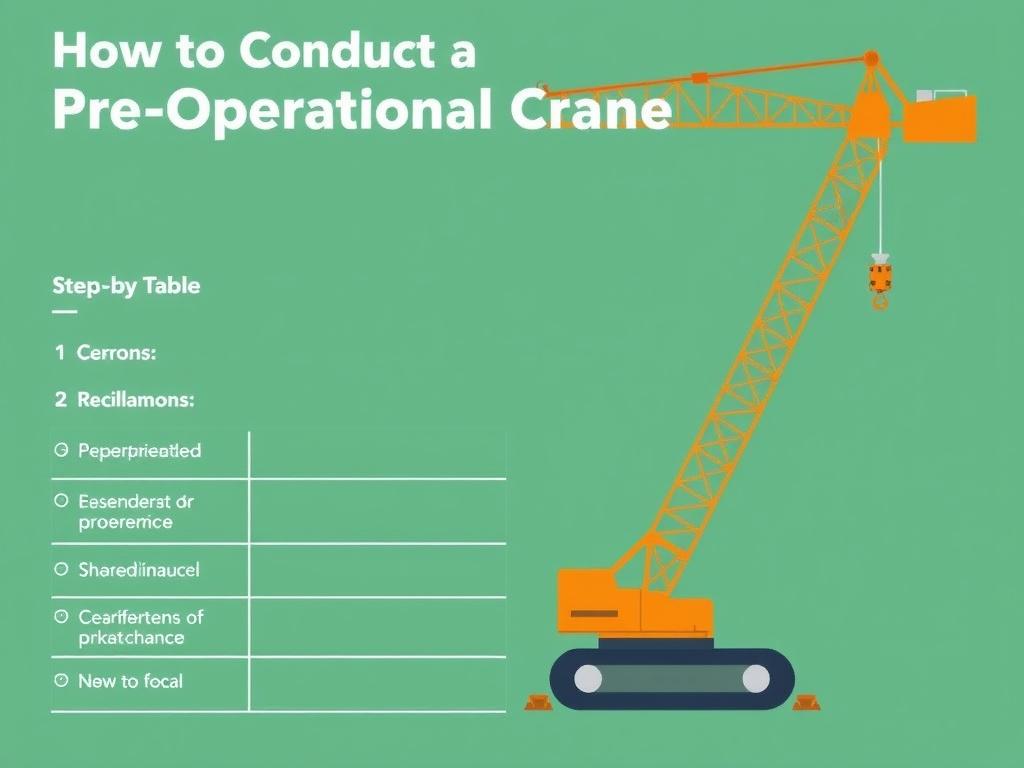
Summary Table: Pre-Operational Crane Check Step-by-Step
| Step | Action | Key Items to Inspect |
|---|---|---|
| 1 | Visual Walk-Around | Frame, boom, ropes, hooks, outriggers, hydraulic leaks |
| 2 | Check Controls and Safety Devices | Levers, pedals, emergency stops, alarms, limit switches |
| 3 | Inspect Load Handling Accessories | Hooks, slings, shackles, lifting beams |
| 4 | Hydraulic and Mechanical Systems | Oil levels, leaks, cylinders, brakes, gears |
| 5 | Verify Stability Systems | Outriggers, pads, level indicators |
| 6 | Review and Report | Complete checklists, report defects |
Conclusion
Conducting a thorough pre-operational crane check is an indispensable process that ensures safety, prevents equipment failure, and boosts operational efficiency on every job site. By systematically walking through the visual inspections, testing controls, examining load accessories, checking hydraulic and mechanical systems, and verifying stability devices, operators equip themselves with knowledge about the crane’s status and readiness. Detailed documentation and timely reporting complete the process, creating a safety net that protects workers and assets alike. Remember, no matter how experienced an operator you are, never underestimate the power of a well-executed pre-operational crane check. It is the foundation of safe crane operation and the best safeguard against accidents and costly disruptions. Make it a habit, stay diligent, and keep your worksite safe every single day.













 Loading ...